



The first thing you’ve got to understand about emergency preparation is that it’s for an EMERGENCY. Throw disability into the mix and a bad situation has the potential to get significantly worse — fast. Still, many believe these myths that, frankly, can get them killed.
1. Disabled people are definitely a priority group. You’d think. But the awful truth is that in situations like Hurricane Katrina and Hurricane Sandy, people with disabilities are very often overlooked, which even government agencies freely admit.

2. The government will help. FEMA officials will be the first to tell you their job isn’t to save anyone, ever. Their primary role is to be a resource to a state, and even then only at the request of the state. Once a state calls FEMA in, then the agency can provide back-up equipment, accessible cots and other resources. But ironically, it’s not much help during an actual emergency. In fact, there’s a strong rumor that only now has FEMA sent a disability specialist to New Jersey to help survivors of last year’s Hurricane Sandy.
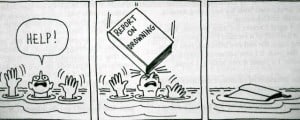
3. Your local shelter is definitely ADA accessible. Remember, this is a temporary shelter, not the Ritz, but still you’d think you could at least get in. Yes, there is a DOJ checklist for emergency shelters, but some don’t even offer basic access. A few years ago, CIL director Susan Dooha discovered that even if a shelter had a no-step entrance, it might be a side door … and the volunteers who run it may not know where the key is. Your best bet is to get a list of local shelters on a sunny day when nothing awful is happening so you can check them out for yourself.

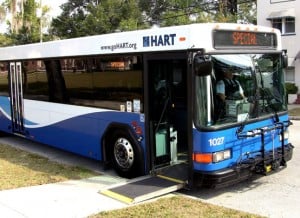
4. Finding accessible transportation during an emergency is easy. OK, think this one through. When is finding accessible transportation ever easy? Now add in an earthquake or a hurricane. You may want to come up with a back-up plan now, before the water’s up to your seat cushion.
5. If you don’t take enough meds with you when you evacuate, you’ll be fine. But if your city is shut down, won’t the pharmacies be shut down, too? So where will the new meds come from? Hmmm … ?

6. Extra chargers and wheelchair batteries aren’t strictly necessary. But what if your electricity goes out – how will you charge your chair? Plus, the electricity could go out for your whole county. How long a life does your battery have? Are you sure?

7. Your personal assistant will be there for you no matter what the emergency. Maybe, since there are hundreds of thousands of dedicated personal assistants out there. But best to verify this before hand, as some personal assistants have been known to have their own families, complete with spouses and children.

This blog entry is part of Portlight Strategies’ #RUReady Media Blitz campaign.
Support New MobilityWait! Before you wander off to other parts of the internet, please consider supporting New Mobility. For more than three decades, New Mobility has published groundbreaking content for active wheelchair users. We share practical advice from wheelchair users across the country, review life-changing technology and demand equity in healthcare, travel and all facets of life. But none of this is cheap, easy or profitable. Your support helps us give wheelchair users the resources to build a fulfilling life. |


Recent Comments
Dick Crumb on Adapting Recreation To An Aging Body
Karen on The Everlasting Saratoga Cycle
Ted Kilroy on Handcycle Gear Guide