



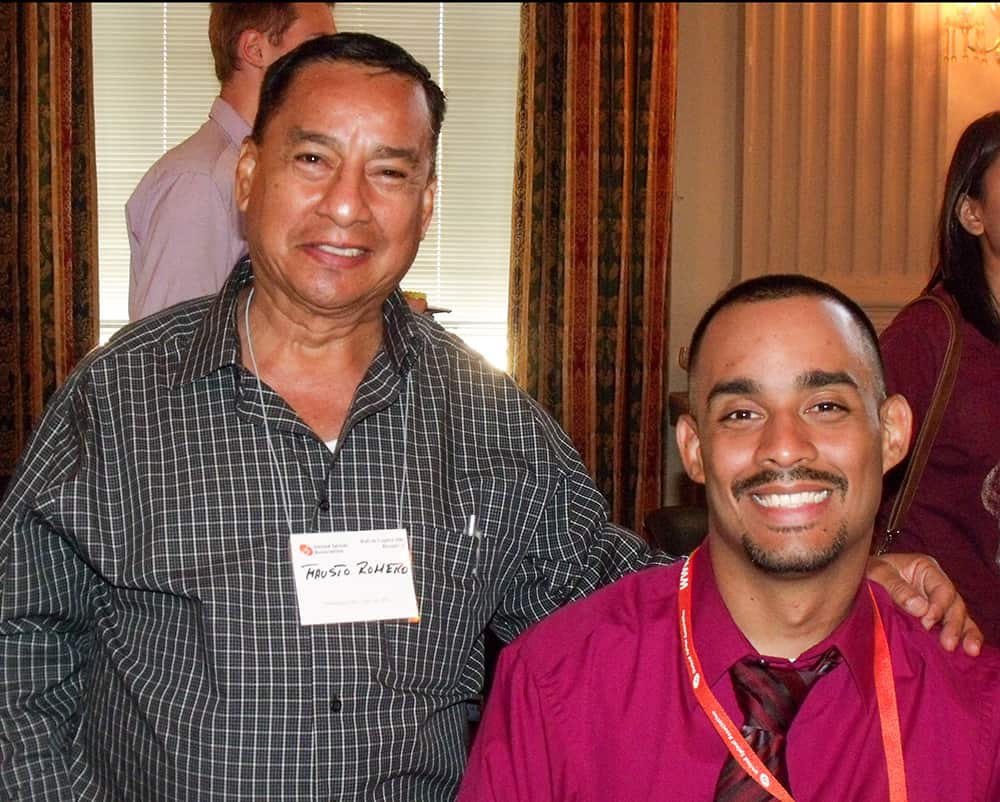
 Jose Hernandez hired Fausto Romero in 2008 as a temporary replacement for a live-in caregiver who had planned a trip home for the holidays. Fausto had just immigrated to New York City from Ecuador to be with his wife and children, and he had no caregiving experience. He did have a recommendation from Hernandez’ current caregiver, and he was able to fill the needed shifts. That was enough for Hernandez, a C5 quadriplegic. “He was only going to be here for a month, and then I’d go back to my regularly scheduled programming,” he says.
When Hernandez’ caregiver didn’t return from vacation, Fausto became his new primary guy. Over the next 12 years, as he worked long hours to help support his family of five, Fausto became much more just a caregiver for Hernandez. He became a friend, a father figure and an integral part of his life. “Jose was his adopted son,” says Antonio Romero, the youngest of Fausto’s three kids. “He used to call him ‘Jose Hernandez Romero’ just to mess with him.”
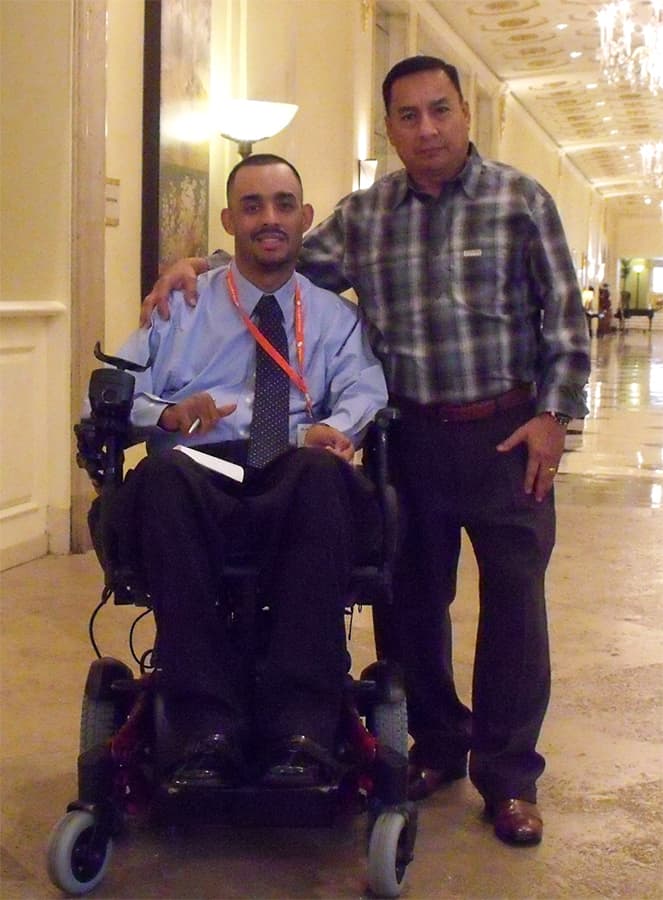 Fausto traveled with Hernandez on advocacy trips to Washington, D.C. He was there when Hernandez got his first job and when Hernandez bought his first car. The two even hung out when Fausto was off the clock, as Hernandez became a frequent guest at Romero family parties and barbecues. “He helped me evolve completely into a different person,” says Hernandez. “I went from someone who wasn’t working and played video games 18 hours a day to someone who works and drives and has some success in life.”
From Ecuador to the Bronx
After almost a decade of living nearly 3,000 miles away from his wife and two of his three children, Fausto finally made it to the United States in 2008. Fausto had worked in construction and carpentry in his native Ecuador, and had turned a passion for photography into a career, working out of his own studio. He didn’t hesitate to give that up to be reunited with his family in the Bronx.
Despite not speaking any English, Fausto adjusted to life as a caregiver quickly, according to Antonio. “It was a big change, but he just did it,” he says. “It didn’t even bother him. He could have left. He could have taken other types of jobs, but he really enjoyed working with Jose.”
Fausto started working 24-hour shifts as a live-in and eventually moved to five 12-hour shifts per week. That allowed for plenty of time for him to bond with Hernandez and learn how to best work together. Their strong working relationship saved Hernandez time and worrying. “Once you develop that trust factor and synergy, you know exactly what the person wants before they say anything,” says Hernandez. “It’s so liberating because you’re not sitting there trying to explain over and over again what you have to get done.”
It helped that the two were just as much on the same page on a personal level.
“Living with someone four days a week in an apartment is an intimate setting,” says Hernandez. “You become family fairly quickly. He was a father figure to me because I didn’t grow up with my father, and my mother had passed away when I was young. So, he took me under his wing and treated me as one of his children.”
Antonio says the relationship Hernandez had with Fausto benefitted both of them.
“Jose started off picking up little bits from our culture, and my dad would pick up a little bit from his culture,” he says. “They bonded and got along well. They might have arguments, but the love was there. My dad loved the love that he got when he was working.”

.
The Virus Strikes
When the still-novel coronavirus began to wreak havoc in New York City last March, Fausto was one of the many caregivers who braved the empty streets to make sure their clients could live their lives. Five days a week he made the 45-minute commute to and from Hernandez’ apartment. On Friday, April 3, at the end of the shift, Fausto said the same farewell as he always did when he headed home.
“I’ll see you on Monday,” Fausto said. “If God allows me.”
“No, come on, stop with that,” said Hernandez, just as he did every Friday. “You’re going to be fine on Monday.”
“I’ll see you on Monday if God grants me another day of life,” Fausto responded.
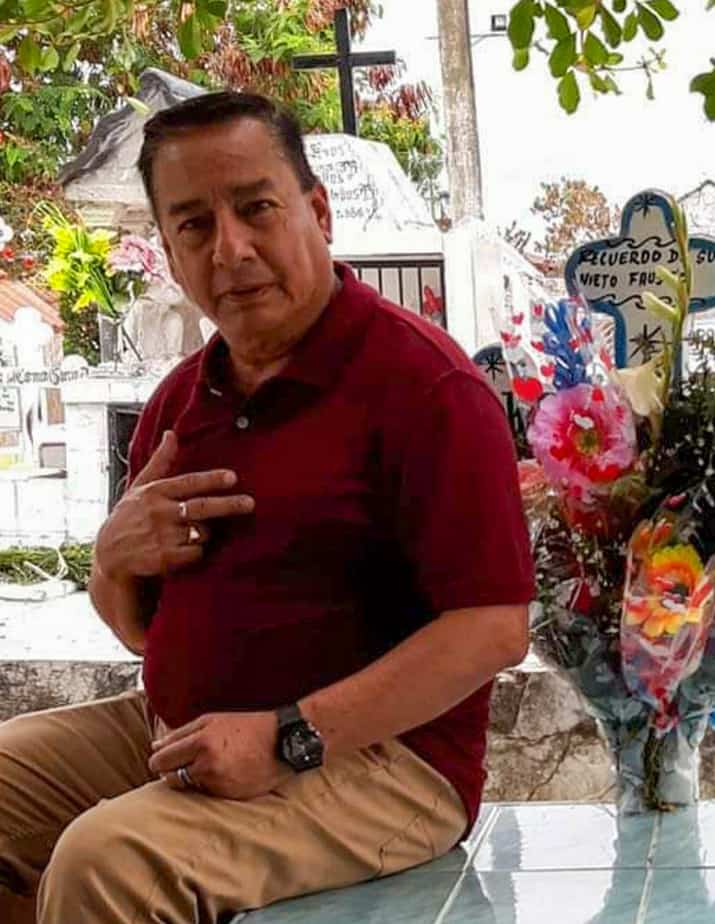 That Sunday night Fausto called Hernandez to tell him he wasn’t feeling great but was still willing to come in the next day. He knew how difficult it could be to find replacements on short notice and didn’t want to leave Hernandez shorthanded. Under normal circumstances, Hernandez might have taken Fausto up on his offer, but with daily casualty results skyrocketing and the constant drone of ambulances in the background, Hernandez erred on the side of caution. “I told him, ‘I’ll see you when you feel better,’” Hernandez remembers.
That would be the last time the two friends talked.
“His condition progressed so fast — it was probably in the lapse of three or four days, that he went from being perfectly fine to not being able to breathe,” says Antonio. Fausto asked for his son’s advice on whether he should go to the hospital as reports of overcrowding were scaring many away. He decided to go.
Doctors found blood clots caused by the virus in Fausto’s lungs and worked to dissolve them. Within three days he was on a ventilator. He passed on Easter, April 12, a week before his 63rd birthday.
“One of the last things that he said to me was, ‘You already know what to do. Just take care of your mom,’ says Antonio. “And after that, the next day he passed away.”
Looking back, Antonio is glad his dad made the most out of his final year, returning to Ecuador to visit family and throw a party for his wife. “He enjoyed his last year,” says Antonio. “You know when people think someone might’ve known that this was their last trip? It was odd, because he went and he spent time with all his family, even the people that he wouldn’t normally speak to in his family. He never did that, so it was a weird year for him to do all that all at once. … He got to do what he wanted to.”
Hernandez will never forget the impact Fausto had on his life, both as a caregiver and a friend.
“Without Fausto, all the things I’ve accomplished would not have been possible,” he says. “Thanks to him I knew I had the support and help that I needed to be successful.”
Support New MobilityWait! Before you wander off to other parts of the internet, please consider supporting New Mobility. For more than three decades, New Mobility has published groundbreaking content for active wheelchair users. We share practical advice from wheelchair users across the country, review life-changing technology and demand equity in healthcare, travel and all facets of life. But none of this is cheap, easy or profitable. Your support helps us give wheelchair users the resources to build a fulfilling life. |


Recent Comments
Dick Crumb on Adapting Recreation To An Aging Body
Karen on The Everlasting Saratoga Cycle
Ted Kilroy on Handcycle Gear Guide