


Pottery Barn Introduces Stylish, Accessible Furniture Line
The Accessible Home line was designed to work for wheelchair users while ditching the clinical looks of many accessible furniture options.
September 1, 2022
Michael Franz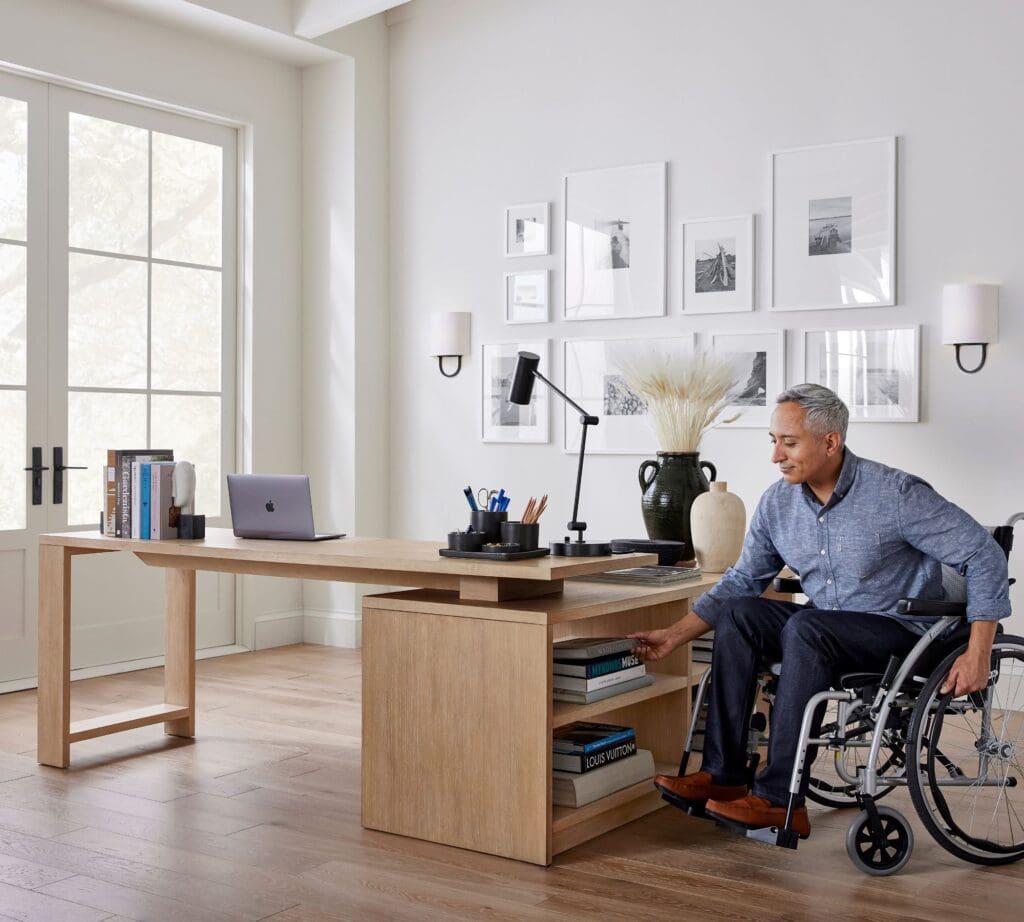
Pottery Barn has introduced a new line of furniture designed to be functional for people with disabilities while retaining the same style as other Pottery Barn furnishings.
Created with input from disability advocates, the Accessible Home furniture line features more than 150 of Pottery Barn’s most popular products adapted to accommodate a wide range of disabilities. Those looking to renovate a bathroom will find grab bars, wheelchair-accessible vanities, non-slip mats and angle adjustable mirrors. For the bedroom, Pottery Barn offers adjustable beds, open bed frames that can accommodate the use of a lift and lowered beds. The Accessible Home line of office furniture includes wheelchair-accessible desks, adjustable-height desks and open shelving units that eliminate the need to open cabinet doors. Customers will also find a variety of wheelchair accessible kitchen tables, power recliners, faucets and lighting.

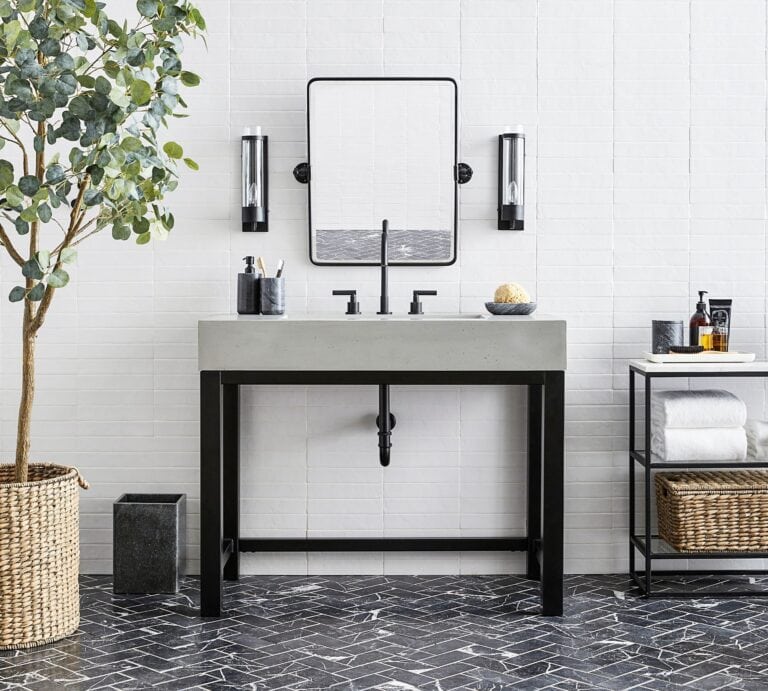
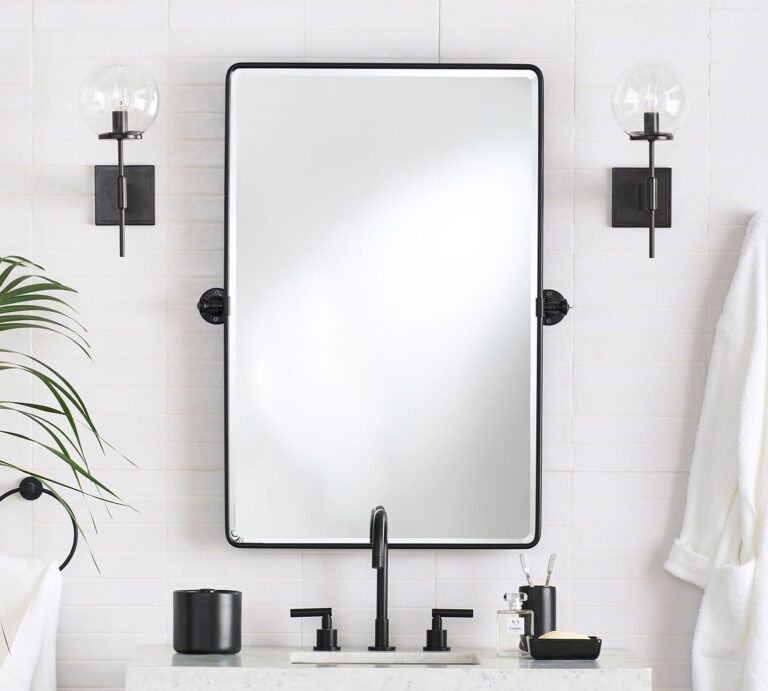
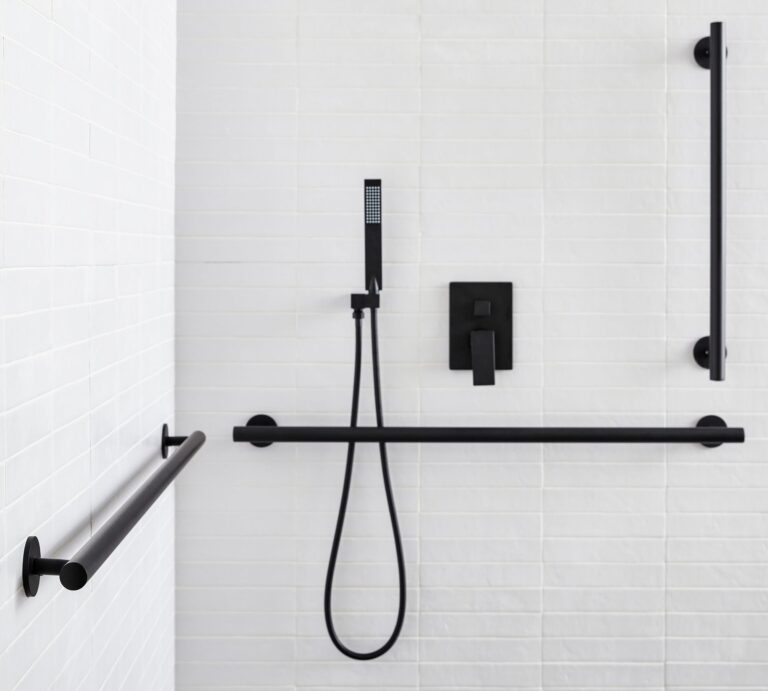


“In our ongoing commitment to enhance the quality of lives at home, we’re excited to now better serve our customers’ specific needs with The Accessible Home,” says Pottery Barn president Marta Benson. “Our mission is to incorporate accessibility into everything we do — providing beautiful, thoughtful design that makes a home a more comfortable place for everyone.”
The Accessible Home line can be purchased from PotteryBarn.com and select Pottery Barn locations.
*Yes, these types of images drive us nuts too. It’s great that Pottery Barn has invested in bringing style to accessible furnishings. But product photos that feature clinical mobility equipment and a model who doesn’t appear to have a mobility disability show that we still have a long way to go when it comes to authentic disability representation. We reached out to Pottery Barn to ask about their photography choices, but have not received a response.
Support New MobilityWait! Before you wander off to other parts of the internet, please consider supporting New Mobility. For more than three decades, New Mobility has published groundbreaking content for active wheelchair users. We share practical advice from wheelchair users across the country, review life-changing technology and demand equity in healthcare, travel and all facets of life. But none of this is cheap, easy or profitable. Your support helps us give wheelchair users the resources to build a fulfilling life. |


None of the images I saw drove me nuts. I’m 53 years old and I’ve been in a wheelchair for 33 years. I could care less if commercials feature people who are actually disabled or able-bodied people portraying someone in a wheelchair. What I am offended by is when able-bodied people attempt to fight battles on behalf of people with disabilities. We aren’t all so easily offended!
What offends me is their prices! Good lord add the word accessible and let’s up the cost 25%
Exactly! I don’t feel too many of us are that offended by a commercial. But saying their furniture prices are affordable IS offensive and laughable!
Plus it’s made out of cheap poplar wood and veneer. I have a woodworker friend who could make something like that out of solid hardwood probably for the same price. Or less. Very simple design. Prior to my injury I was a woodworker, too.
So true, the prices are ridiculous!
Also, how can we be sure the guy does not use a wheelchair? Did the author ask? He could have MS or some other illness that might have him use the wheelchair ambulatory. I have to admit, that does not look like as fitted wheelchair; but that must not mean the model never has to use one?