


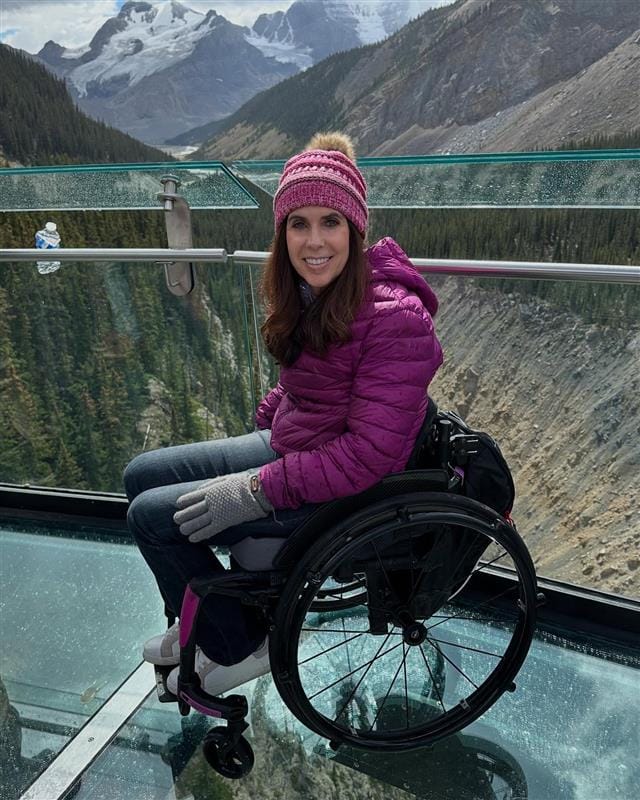
Osteoporosis is a silent but significant health issue for many people, especially those of us with spinal cord injuries. It often develops rapidly and progresses unnoticed. Research shows that more than 50% of individuals with complete spinal cord injuries experience osteoporosis within the first year, with rates climbing to over 80% in chronic cases. Despite its high prevalence, osteoporosis in the SCI population is frequently underdiagnosed and undertreated, with few people receiving pharmacologic treatments.
As an incomplete quadriplegic who has been non-weight bearing for over 40 years, I live with the constant awareness that a single misstep — a slip, an awkward transfer, or even a minor accident — could result in a serious fracture due to my osteoporosis diagnosis. I’ve seen this reality unfold for others in the spinal cord injury community, including someone who broke his hip simply while crossing his leg to get dressed. Rather than wait for what often feels like an inevitable injury, I decided to take proactive steps to improve my bone health.
Receiving a Diagnosis
To measure bone density, you need to get a dual-energy x-ray absorptiometry (DEXA) scan. A baseline DEXA scan is typically recommended within the first 6 months after SCI, as rapid bone loss may occur due to immobility and changes in bone metabolism. This was not standard practice when I had my C6 incomplete SCI in 1983. In fact, I didn’t have my first DEXA scan until 2010, when my primary care doctor suggested it. The results came back showing I was borderline between osteopenia and osteoporosis. Both diseases refer to loss of bone density, with osteoporosis being the more severe.
Upon receiving the results, my doctor recommended I follow up with an endocrinologist. After reviewing my medical history, he prescribed Forteo, an anabolic bone-building drug for osteoporosis. Forteo is a self-administered, daily injection given in the thigh or abdomen for a period of two years. However, I was not quick to jump on that bandwagon.
Initially, I was concerned how I would be able to give myself a daily injection as a quadriplegic with no grip strength and limited fine motor skill. I uncovered a bigger concern when I started researching Forteo and learned it came with a black box warning due to animal studies that showed when the drug was given in very high doses to rats, they developed osteosarcoma, a type of bone cancer.
As someone who has a family history of cancer, I decided to roll the dice and live with the possibility of acquiring a fracture over the possibility of a cancer diagnosis. While I decided pharmacologic treatment wasn’t for me, I did make some lifestyle modifications that I still practice today, like incorporating more calcium-rich foods into my diet, such as cheese, yogurt and broccoli. I also started taking vitamin D supplements.
That wasn’t enough to slow the progression of my bone loss. By the time I had another bone scan in 2014, my bone density had progressed from osteopenia to a definitive diagnosis of osteoporosis.
Insurance Barriers
In 2021, I learned the black box warning for Forteo had been lifted. After 18 years of human clinical studies, researchers found no clear evidence that it caused bone cancer in people. Armed with this new information, I consulted my endocrinologist to see what my next steps were. He believed Forteo was still a good place to start.
From 2021-2023, we kept submitting prior authorizations to my private insurance company to cover Forteo. We submitted four in total, and each time they kept denying it. At first, they said there was not enough evidence to show success in individuals with spinal cord injuries. Once we fought that, then they began denying it because I was not post-menopausal. Paying out of pocket was not a financially viable option since the medication would have cost me over $1,000 a month.
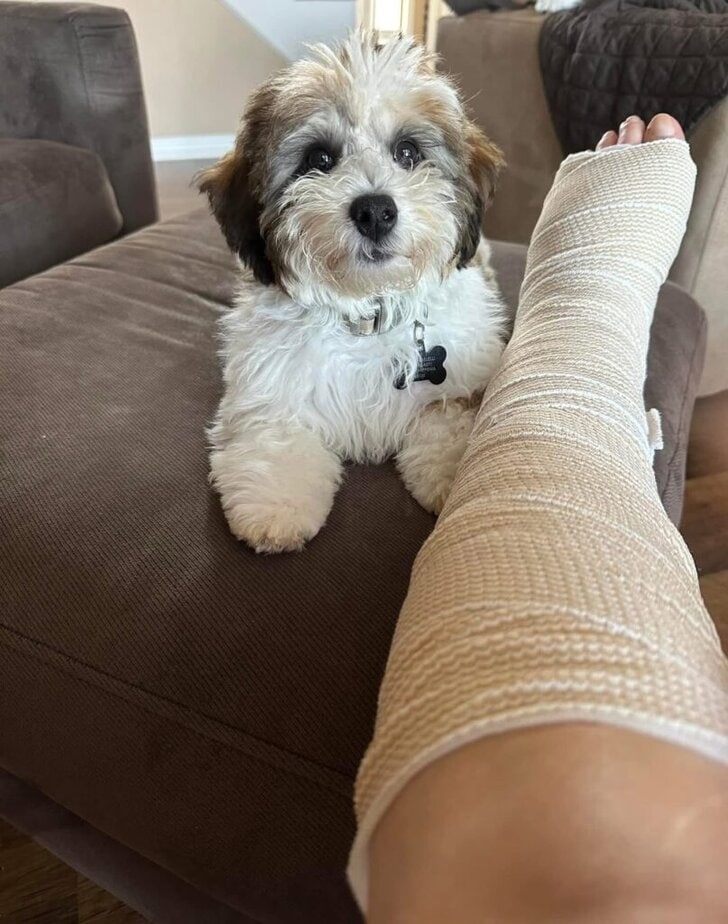
From 2023-24, I experienced fractures. While transferring out of my van, my foot turned awkwardly and my entire body weight landed on it. The result: a broken foot. The following year, I broke three ribs while practicing a dance move where my partner jumps over me in my wheelchair. He slipped on take-off and landed on top of me. It’s hard to determine if my osteoporosis contributed to these fractures because they were both trauma-related. You could argue that if a 180 lb. man falls on top of a 120 lb. woman, a person without osteoporosis might have broken their ribs too.
Around the same time that I broke my foot, my employer changed its medical insurance provider, so I decided to see whether my new insurer would cover Forteo. Once again, I was denied. 2024 brought another change: I was now considered post-menopausal. Estrogen is a protective hormone that helps maintain the balance between bone breakdown and bone formation. During menopause, the ovaries reduce estrogen production significantly.
Since I continued to run into roadblocks getting Forteo approved, my endocrinologist decided to switch gears. If my insurance company would not cover Forteo, he suggested we submit a prior authorization for Tymlos. Forteo and Tymlos are both anabolic bone building drugs for osteoporosis but have different active ingredients. Tymlos was FDA-approved in 2017 for post-menopausal women who have a significant risk factor for fractures. It is significantly cheaper than Forteo, and in clinical trials and real-world data, Tymlos has generally outperformed Forteo in several areas, including greater reduction in osteoporotic fractures and greater increases in bone mineral density.
We submitted the prior authorization, and two months later to my surprise, my insurance approved Tymlos. I did have a $100 a month copay, but a manufacturer-sponsored copay card reduced my out-of-pocket cost to zero.
What You Can Do About Bone Loss
If you’re concerned about maintaining bone density or if you’ve been diagnosed with osteopenia or osteoporosis, know that effective pharmacologic treatments exist. From anabolic medications like Forteo, Tymlos and Evenity that stimulate bone formation, to anti-resorptive therapies such as Reclast and Prolia, which slow down the breakdown of bones. Additionally, functional electrical stimulation, standing frames, tilt tables, resistance training and proper nutrition can also play a role in maintaining bone health.
The best treatment for you will depend on factors such as the severity of bone loss, mobility and overall health. It’s important to talk with your doctor to determine the most appropriate treatment plan, monitor progress, and adjust therapies as needed to optimize bone health and prevent fractures.
Pros and Cons
Like Forteo, Tymlos is an injection, self-administered daily for two years. After two years, I will be on a maintenance drug called Reclast, which is given as an intravenous infusion in my doctor’s office every 12 months. Tymlos builds bone, but it is temporary. Reclast is needed afterwards to keep the new bone from breaking down.
Tymlos is delivered in a prefilled pen that contains a 30-day supply. Tymlos uses a very fine needle that they describe as the size of an eyelash. The unopened medication must be refrigerated, but once opened, it can be stored at room temperature.
While the need for daily self-injection presents a significant challenge as a quadriplegic, I believe the therapeutic benefits of Tymlos make it a worthwhile treatment. I am fortunate that I do not live alone, and my husband has been administering the shots, because I can’t hold the pen needle in place and push the plunger that dispenses the medication at the same time. I’ve had a friend or family member help when my husband has been away for work. On the rare occasion I am traveling by myself…well, I have yet to figure that out.
One possible side effect of Tymlos is lightheadedness, so my doctor advised me to give the shot right before bed, since I’ll be lying down and going to sleep. I have been doing the shots for four months now, and so far I have not experienced lightheadedness.
Routine bloodwork is necessary because Tymlos alters how your body processes calcium. It can result in increased levels of calcium in the blood and urine, the latter resulting in kidney or bladder stones. I had bloodwork done the first week I started Tymlos and then several months apart.
My next DEXA scan will be one year after starting Tymlos. I asked my doctor what he would expect to see on the DEXA scan at the one-year mark if Tymlos is working successfully. He responded that seeing no bone loss from the previous scan would be a successful outcome, and new bone at the two-year mark of taking Tymlos would be the optimal outcome.
Support New MobilityWait! Before you wander off to other parts of the internet, please consider supporting New Mobility. For more than three decades, New Mobility has published groundbreaking content for active wheelchair users. We share practical advice from wheelchair users across the country, review life-changing technology and demand equity in healthcare, travel and all facets of life. But none of this is cheap, easy or profitable. Your support helps us give wheelchair users the resources to build a fulfilling life. |


As a C6 complete quad for 48 years, and qualifications in physiology and ergonomics, I’m a researcher. After a broken hip from water skiing in 1990, then a broken femur in a fall, so DEXA scan was not possible, due to metal implants, for the hips, but had arms done.
Prescribed Zoledronic Acid (Aclasta) Infusions, annually for 3 years (free in Australia) and adequate calcium intake from real cheeses. Doctor attitude has changed re Calcium intake – easier to remove kidney stones than risk of osteoarthritis.
Simple Vitamin D tablets, my research found, were positive for bone strength retention, positive for Breast Cancer protection (wife had BC), so I’ve been taking Vitamin D capsules for 25+ years. Only one broken hip since (from a fall), and still active, transferring to drive etc. Vit D won’t rebuild bone but has no side effects at normal dosages. Still take morning band night, as easy prophylactic. Wish I been started on Vit D from initial injury. Suggest it as no risk, potential positive benefit treatment. Found Vit D with Calcium tablets could bind me up though. Vit D and cheese, not problems!
https://www.bonehealthandosteoporosis.org/patients/treatment/calciumvitamin-d/
Great suggestions Colin. I’m C5, similar vintage and issues.
I don’t have SCI, but got osteoporosis at 41 after breast cancer treatment. Also had a family history. Fortunately, my doctor recommended a supplement for building bone after I couldn’t take Fosamax any longer. I started taking AlgaeCal, a natural calcium supplement along with Vitamin D & my bone has steadily increased every dexa scan. I no longer have osteoporosis. No side effects since it’s natural but of course insurance won’t pay for it since it’s not a pharmaceutical. Well worth the $80 a month!