



Cancer is an unforgiving opponent and it definitely doesn’t pull any punches for wheelchair users. From early detection, to treatment, to recovery, wheelchair users face unique obstacles that can make an already difficult fight seem overwhelming.
Sadly, there’s no “easy button” to guarantee a quick and painless battle, but with the right preparation you can reduce the challenge and bolster your odds at a successful outcome. This story shares tips, resources, humor and strategies from three wheelchair users who are currently battling or have beaten cancer.
No Book for This
Gary Karp has a long resume as an architect, emergency management planner, internationally recognized public speaker, corporate trainer and the author of three books. On the heels of completing 35 radiation treatments over seven weeks, he can add throat cancer survivor to that list.
While you might think writing Life on Wheels: The A-to-Z Guide to Living with Mobility Issues would have prepared Karp, a T12 para, for his battle with cancer, his experience reveals a more disheartening truth.
“I have come across no resources specific to cancer and being a wheelchair user,” he says. “I have not encountered another person in the course of this experience who also is paralyzed. Cancer treatment providers just don’t have a lot of experience with it.”
An American Cancer Society public relations official confirmed that there are no guidelines for treating physicians or support groups specific to people with disabilities.
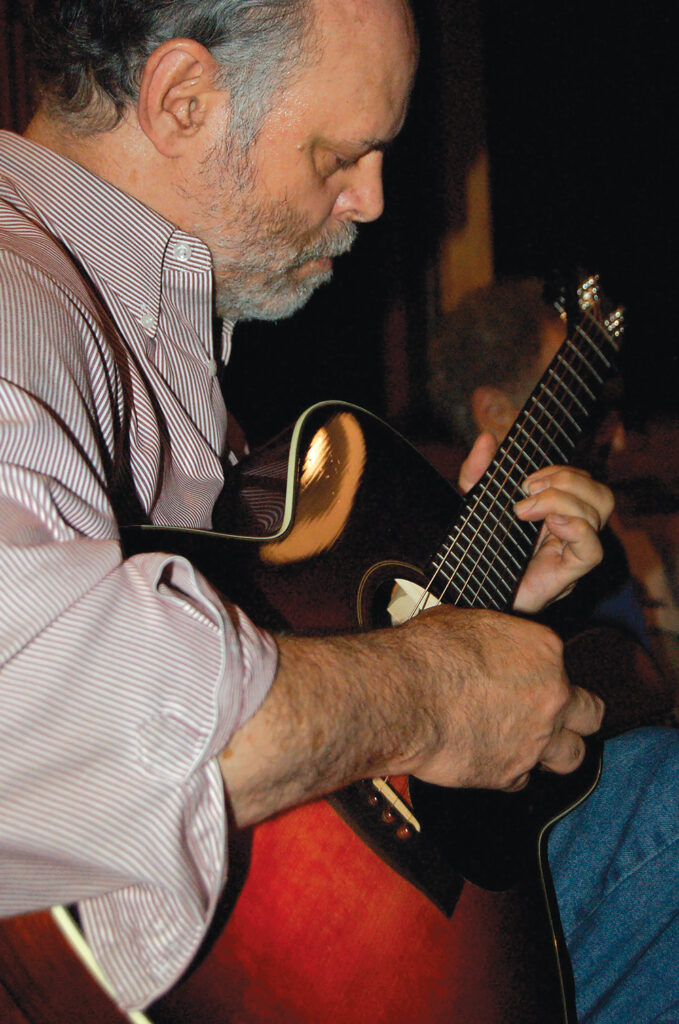
Knowing this, Karp proactively set out to ensure the time he spent in the hospital and receiving treatments would be as safe and comfortable for him as possible. He made sure there was extra cushioning on the tables where he received radiation treatments, and later in the process, as he lost some physical strength, he requested assistance making a safe transfer because the table was several inches higher than his seat.
“I had to train the techs who did the radiation treatment on some really important fine points about the transfer. People don’t understand that when you don’t have use of your legs, you basically are balancing on your butt,” he says. “Being upright is critical. As soon as I land, I need to be upright. If not, I feel like I’m falling forward, and that’s panic mode.”
Despite all his precautions and training staff to switch him from side to side every two hours, Karp developed a pressure sore that took months to heal. He advises those with SCI to be hypervigilant about protecting their skin during treatments.
The radiation treatment also affected Karp’s ability to swallow, necessitating that he get a feeding tube. “My doctor was right up front about it, and I’m glad he was because I’d be dead without it,” he says. “I still primarily get my nutrition through a feeding tube even after the CAT scan shows I’ve beaten this.”
Other side effects impacted his taste buds, spurred massive weight loss and left him weakened — a difficult thing for someone who is “rabid about my independence.” Karp typically drives himself, but says there were times when he needed to get a ride to treatment.
Karp, 67, advises those with SCI/D to plan on feeling foggy-headed even when out of a cancer center and recovering at home. He was not advised of the severity of pain he would feel or the impact of pain medications. For the first time in his life, he felt some insecurity about his ability to function at home.
“On the positive side, the nature of the disability experience is we are adaptive beings,” he says. “We learn to advocate for ourselves. That couldn’t be more important for someone going through cancer treatment. There are so many choices to make, so many individual paths, and so many products and strategies that each person has to keep learning.”
Therapeutic Education
Karen Roy is a brand ambassador for Numotion and a passionate advocate for wheelchair users and people with disabilities. The 53-year-old uses a wheelchair as a result of a gunshot wound while being robbed 34 years ago. She was diagnosed with bladder cancer in the fall of 2021.
She caught her cancer in the early stages but faces a long treatment regimen. She travels more than four hours from her home in Baton Rouge, Louisiana, to Houston, for treatment at the University of Texas MD Anderson Cancer Center. Roy receives a version of the tuberculosis vaccine that is injected into the bladder to break through the cancer cells. The treatments take two hours and are done every six weeks.
Roy has found her doctors uniformly respectful of her disability but wishes they were more proactive in considering unique risk factors and concerns for people with disabilities. “My one criticism would be that nobody is bringing ways to mitigate my known risk factors, which include the fact that I will continue to have to perform intermittent catheterization and likely continue to have recurrent urinary tract infections,” she says.

While undergoing treatment, she has expanded her advocacy to educating people about catheters and bladder cancer. “People with spinal cord injuries that do intermittent catheterization get irritations and increased incidence of UTIs that put us at higher risk for cancer,” she says. “I catheterized with products that turned out to have a carcinogen in them.” She’s referring to Di(2-ethylhexyl)phthalate (DEHP), which is commonly used in plastics to make them flexible and requires a consumer warning label under Proposition 65 in California because it “can cause cancer and birth defects or other reproductive harm.”
Roy’s activism and open sharing about her cancer journey are her coping devices. She suggests joining SCI/D groups on Facebook and other social media platforms and connecting with survivors and people fighting your specific cancer.
“Staying focused on the gratitude for all the beautiful people in my life, work I am passionate about, and the ability to advocate for improved safety of catheters [is also important]. If I can help someone else prevent bladder cancer, this journey has meaning,” she says. “Take friends and family with you to treatment when possible. Reconnecting with the people I love has been the silver lining of my bladder cancer diagnosis. Work on keeping a positive attitude. Take care of your mental health as well as your physical health.”
‘What am I supposed to do as a wheelchair user?’
In November 2011, Meg Paulsen had just begun dating the man who would become her husband when he discovered a lump in her breast. She had no family history of cancer and had her annual mammogram in May.
Fortunately, the cancer was “the slowest growing, least aggressive type.” Still, Paulsen, who was born with spina bifida, had four lumpectomies on one side, and one on the other. “My oncologist said, we’re probably going to be doing these continually because it seems like your tissue is creating precancerous stuff,” says Paulsen, now 56.
“The doctors and staff said they never had a manual wheelchair user who had a double mastectomy.”
“They say the worst thing about having cancer is knowing that you have it,” she says. “And I totally agree, because it is a stressor.” Paulsen opted for a double mastectomy. “Long story short, I got my implants, did all the cosmetic tattooing — I don’t ever have to wear a bra again,” she says, noting a sense of humor is key to recovering.
As a lifelong advocate for people with disabilities, Paulsen was shocked at how unprepared the medical professionals she dealt with were when she peppered them with questions about her recovery as a manual chair user.
“After the double mastectomy, they said you can’t use your arms for three months. I said, ‘What am I supposed to do as a wheelchair user?’” recalls Paulsen. “They said they never had a manual wheelchair user who had a double mastectomy.”
Their lack of experience almost cost Paulsen severely. “Because I wasn’t allowed to use my arms, they were trying to see if my mom, who was probably around 70, could transfer me out of the bed into the wheelchair,” she says. “She dropped me and that was horrid because I still had open wounds.”
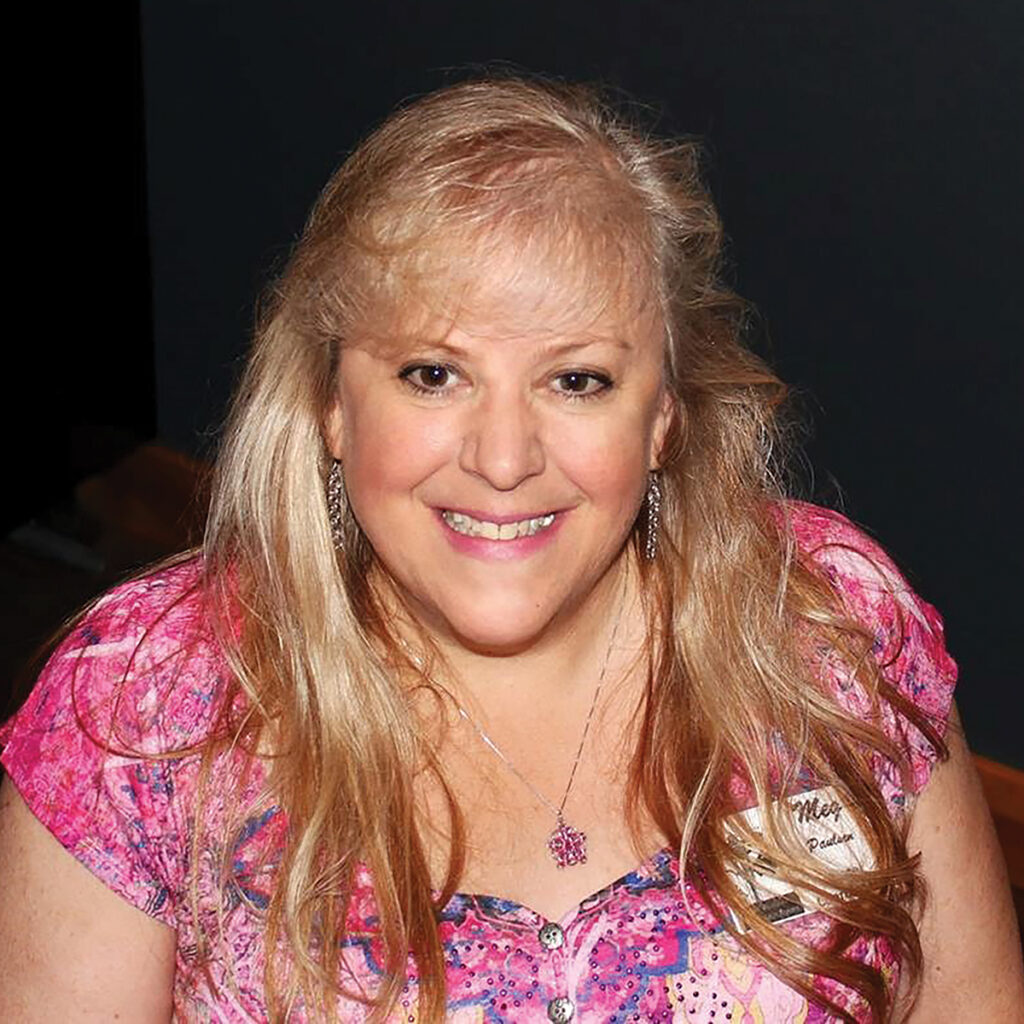
Paulsen took it upon herself to educate the “professionals.” She explained all the areas she envisioned needing help and made sure the hospital provided them, including a Hoyer lift for transfers and visiting nurses to change dressings and manage drains.
Having the right equipment and services was key, as was having supportive friends and family. Her partner’s family had a lot of experience helping others recover. His mom is an RN and she even moved in to support Paulsen at home.
Paulsen was worried the post-surgery inactivity might lead to muscle atrophy, but credits her athletic background and solid pre-surgery preparation with helping her stay strong. “I had built up a lot of upper body strength and I had PT people coming in and helping me figure out how to reacclimate myself to moving,” she says.
Paulsen calls herself “very lucky” for being able to catch her cancer before it spread and treat it without chemo or radiation. The whole process has opened her eyes to the disparities facing wheelchair users battling cancer. She is disturbed that hundreds of millions of dollars are raised for cancer research and treatment each year, but there are virtually no resources for people with disabilities — including accessible mobile mammogram trucks. “More women are succumbing to cancer because of their inability to get early detection, but nothing is being done to increase mobile and other screening opportunities for people with disabilities,” she says.
Her advice as a survivor?
“You’ve got to advocate for yourself,” she says. “You’ve got to push, and if you’re feeling that something is wrong, don’t let your medical people talk you out of it … just keep advocating, keep bugging, and fight for your right to live.”
Support New MobilityWait! Before you wander off to other parts of the internet, please consider supporting New Mobility. For more than three decades, New Mobility has published groundbreaking content for active wheelchair users. We share practical advice from wheelchair users across the country, review life-changing technology and demand equity in healthcare, travel and all facets of life. But none of this is cheap, easy or profitable. Your support helps us give wheelchair users the resources to build a fulfilling life. |


Recent Comments
Dick Crumb on Adapting Recreation To An Aging Body
Karen on The Everlasting Saratoga Cycle
Ted Kilroy on Handcycle Gear Guide