


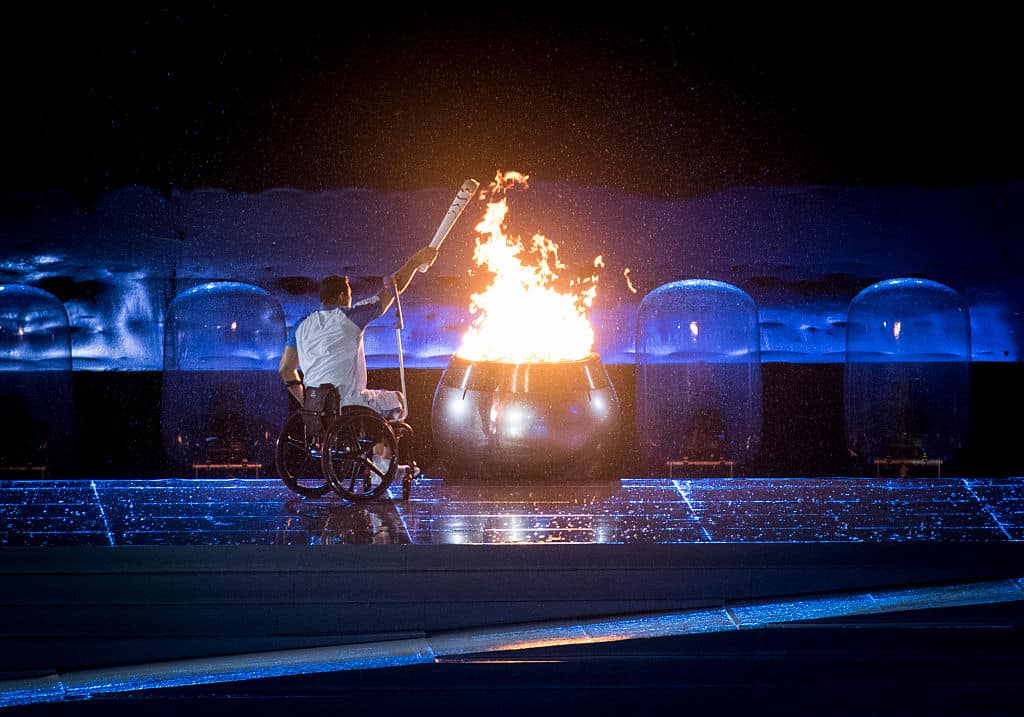
Last week, NBC announced that, for the first time ever, it would be broadcasting the Paralympics on primetime TV. It’s a move that is both incredibly exciting and long overdue.
For elite-level adaptive athletes, the Paralympics are often the one time we feel like the world recognizes us as athletes first, and TV is a big part of that. I remember my first major international competition for wheelchair rugby: the 2006 World Championships in New Zealand. After we won the final, against the Kiwis, no less, I remember going back to the hotel bar to have a beer with my team. When we rolled in, playing on the bar television was a broadcast of the game. We watched and listened as the announcers dissected strategy and agonized as we clung to a slim lead over the home team. Drinking pints of beer while watching that broadcast with my teammates remains one of my most cherished memories of my career.
At the 2008 Paralympics in Beijing, I remember getting a cab back to the athlete village the morning after the final. The cab rounded the corner, and there, projected across eight stories on a high-rise in the middle of China’s capital city, was a TV replay of our gold medal game. I craned my neck to watch until the building passed out of sight and shook my head in amazement. After the 2012 Olympics, Channel 4, the station that was to broadcast the Paralympics in England, erected billboards across London that read “Thanks for the warm-up”.
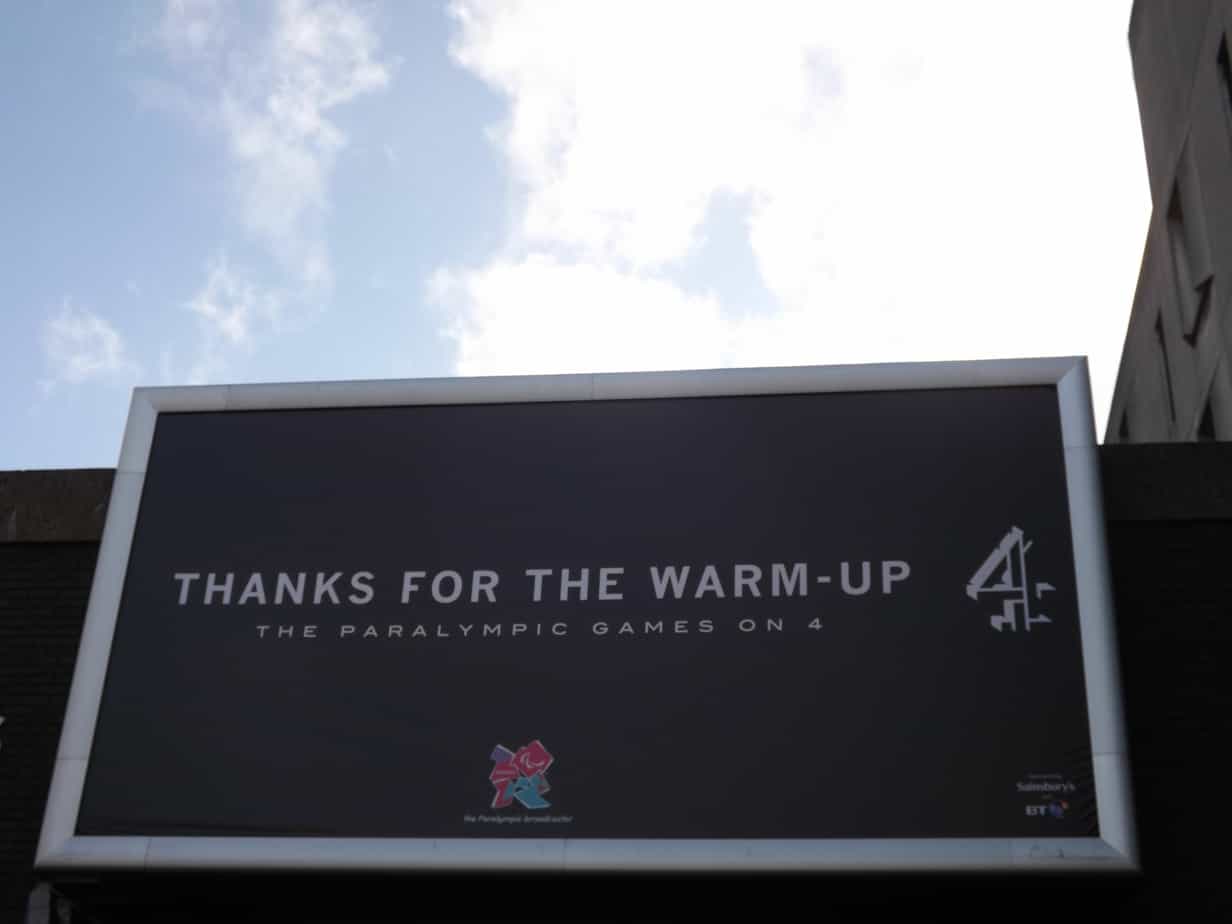
Yet as a U.S. athlete, it was easy to feel like the world cared more about adaptive sport than our own country did. Until recently, major media stories tended toward the clichéd and the inspirational. It was possible to do an interview and have an earnest reporter ask you if you were excited about going to the Special Olympics. In 2012, as Channel 4 prepared for wall-to-wall coverage of the Paralympics, NBC announced that it would be offering four, one-hour highlight shows and a 90-minute recap after the games.
Since then, though, the tide has finally started to turn. In 2016, NBC networks upped their summer Paralympic coverage to 70 hours, and hired commentators familiar with specific sports. Many events were aired live on NBCSN. In 2018, NBC offered 94 hours of television coverage, nearly double the amount from the previous winter Paralympics.
The visibility has huge effects. Paralympic wheelchair racer Tatyana McFadden is now as recognizable a face in the Olympic movement as any of her nondisabled peers. Major corporations like Visa, BMW, BP and Coca-Cola, among many others, have realized that adaptive athletes are valuable as sponsored athletes. Visibility begets visibility.
That’s why NBC’s recent announcement is such a big deal. Anyone who watches a Paralympic-level sport — whether cycling, track, swimming, wheelchair rugby or anything else — comes away impressed by the athleticism and the intensity of the competition. This fall, NBCSN will be airing 12 hours a day of the Tokyo Paralympics, and the primetime coverage will give millions of Americans the chance to see what other places in the world have already found out: The Paralympics are as good as sports get.
Top Photo by Raphael Dias/Getty Images for the International Paralympic Committee
Support New MobilityWait! Before you wander off to other parts of the internet, please consider supporting New Mobility. For more than three decades, New Mobility has published groundbreaking content for active wheelchair users. We share practical advice from wheelchair users across the country, review life-changing technology and demand equity in healthcare, travel and all facets of life. But none of this is cheap, easy or profitable. Your support helps us give wheelchair users the resources to build a fulfilling life. |


Recent Comments
Dick Crumb on Adapting Recreation To An Aging Body
Karen on The Everlasting Saratoga Cycle
Ted Kilroy on Handcycle Gear Guide