


United Leads Uber Protest
United Spinal Association, Taxis For All Campaign and other wheelchair-using advocates held a “roll-in” outside Uber’s West Side headquarters in Manhattan July 30, calling on the company to end its discriminatory practices and to start serving wheelchair users, blind people and other disabled communities in New York City and around the United States.
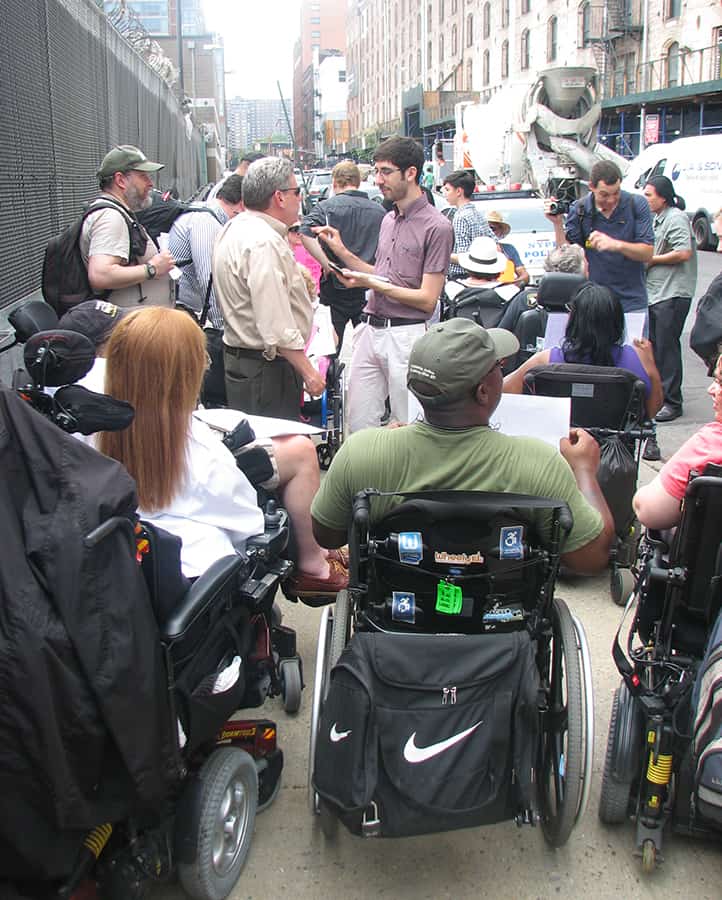
The protesters urged Mayor Bill de Blasio, the City Council and the Taxi and Limousine Commission to enforce rules and pass new legislation that would require Uber and other app-based transportation services to serve wheelchair users. “Uber’s zeal to replace the soon to be 50-percent accessible yellow cab industry — coupled with its refusal to operate even a single accessible vehicle — is jeopardizing the taxi option for wheelchair and scooter users,” says James Weisman, president and CEO of United Spinal Association. “The needs and rights of people with disabilities should not be ignored on the 25th anniversary of the Americans with Disabilities Act,” he adds.
TLC records show that at least 20,777 Uber vehicles are on NYC streets, but not one Uber vehicle is wheelchair-accessible. Accessible taxis typically have a ramp that allows wheelchair and power chair users to roll into and out of the vehicle.
Holding signs reading “Uber UNFAIR,” “Uber: NOT innovating, JUST discriminating” and “Uber: Stop Your Old Time Discrimination,” wheelchair and scooter users and their supporters noted that 25 years after the Americans with Disabilities Act became law, the six-year-old company has consistently rejected direct appeals to offer accessible service here or in other cities
“Uber says it’s revolutionizing the taxi business, but what it’s really doing is engaging in old-style discrimination,” said protest organizer Jean Ryan, a Taxis For All leader and a vice president at Disabled In Action.
Disability Pride Parade a Success
United Spinal’s members and staff were out in full force to celebrate New York City’s First Annual Disability Pride Parade on July 12. United Spinal marched up Broadway alongside our New York City chapter and many other advocates and organizations from around the Metropolitan area to celebrate disability empowerment.
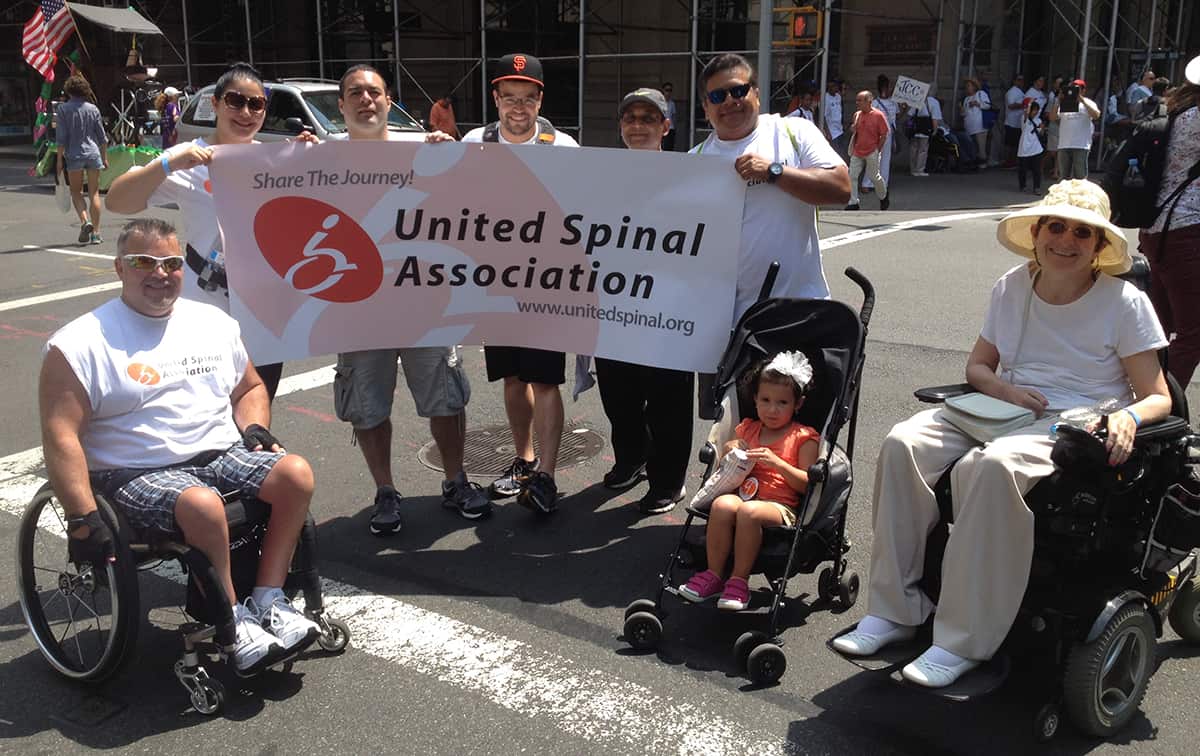
Among the 3,000 parade participants were people using wheelchairs, canes and service dogs, and people who were waving flags and banners for their individual causes. All were united in the mission to raise awareness on disability rights and to call for improvements in accessibility, health care and employment.
Former U.S. Sen. Tom Harkin, D-Iowa, who sponsored the Americans with Disabilities Act 25 years ago, served as the parade’s grand marshal. He commended the city’s progress toward accessibility but said the high unemployment rate for people with disabilities shows there are still remaining struggles. “I may be retired from the Senate, but I’m not retired from the fight … we know that when companies hire people with disabilities they get the best workers, the most loyal workers, the most productive workers,” said Harkin.
July was designated as Disability Pride Month in honor of the 25th Anniversary of the ADA. New York City planned a month-long series of events to celebrate New Yorkers with disabilities, including an exhibit at the Brooklyn Historical Society titled “Gaining Access: The New York City Disability Rights Movement.” It‘s the first museum exhibition about the New York City Disability Rights Movement.
Great Turnout for Women with Disabilities Conference
United Spinal Association was proud to co-sponsor the sixth annual “From Within” health conference for women living with physical disabilities hosted by Independence Care System on July 24, at John Jay College in New York City. Women with disabilities from all around the tri-state area attended this official ADA25NYC event.
This year’s From Within was the largest ever, with over 150 guests attending the event. Victor Calise, commissioner for the Mayor’s Office for People with Disabilities, a former employee of United Spinal and a supporter of From Within for many years, was invited to speak at this year’s conference. Other co-sponsors included the Mayor’s Office for People with Disabilities, the MS Society and the CUNY Coalition for Students with Disabilities.
VetsFirst Testifies on VA Programs
VetsFirst Director Ross Meglathery testified before the House Committee on Veterans’ Affairs Subcommittee on Economic Opportunity regarding the VA’s Vocational Rehabilitation and Employment Program. Meglathery stressed the need to provide disabled veterans with appropriate training to reintegrate into society and the workforce. He noted the VR&E program is of great importance to VetsFirst, but added the program “lacks the resources needed to best assist all disabled veterans in returning to employment.” Also, the VR&E program needs to expand the number of years that qualified veterans are eligible for it.
Currently, veterans are eligible for VR&E within 12 years of active military separation or when the VA notified them of their qualified service-connected disability. This isn’t enough time for some vets, says Meglathery, and he used his own experience to explain why.
Meglathery says he was 30 when he first saw combat and “I cannot imagine what it would have been like to experience that as an 18 year-old.” If a vet becomes disabled at 18 as a result of his service, then his 12 years would be up by the time he was 30. “But 30 years was not enough life experience for me to know myself, as it takes time to come to terms with the trauma of war. For others, this may likely be the case as well.” At 30, a vet disabled at the age of 18 during his first tour would already have run out of time to be eligible for VR&E.
Meglathery also says VR&E caseloads are still too high and resources are not sufficient to provide timely results. He asked Congress to appropriate more funding and support efforts to properly staff VR&E. He suggested partnering with nonprofit organizations that provide intensive services needed to assist veterans with significant disabilities in returning to and remaining in the workforce.
Meglathery emphasized the real indicator of VR&E’s effectiveness is in the long-term success of the veterans it helps. He suggested the VA monitor veterans’ employment for at least a year, with a counselor periodically following up. This would keep tabs on the effectiveness of the program and also hold employers accountable to their commitment to support VR&E.

Employee Appreciation Day
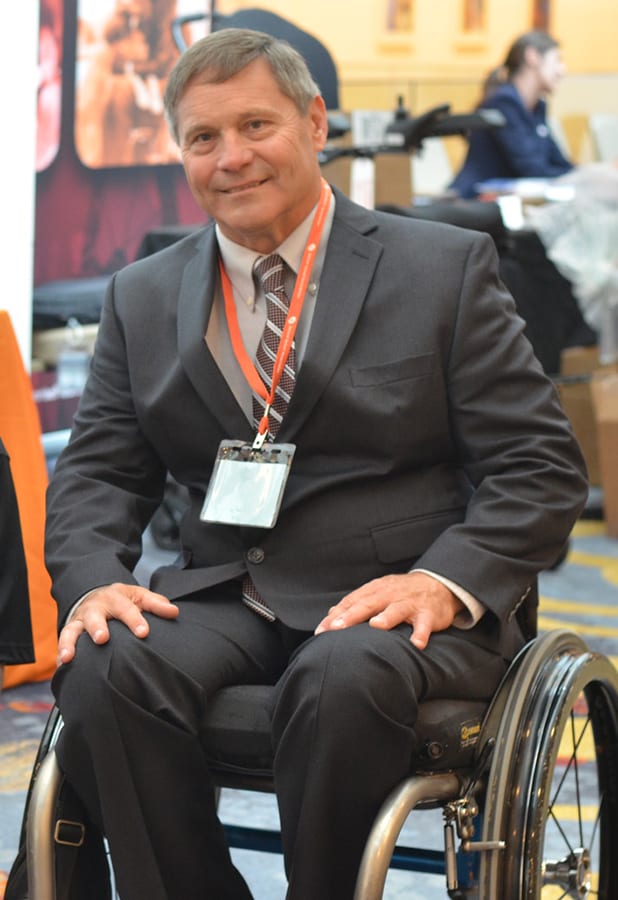
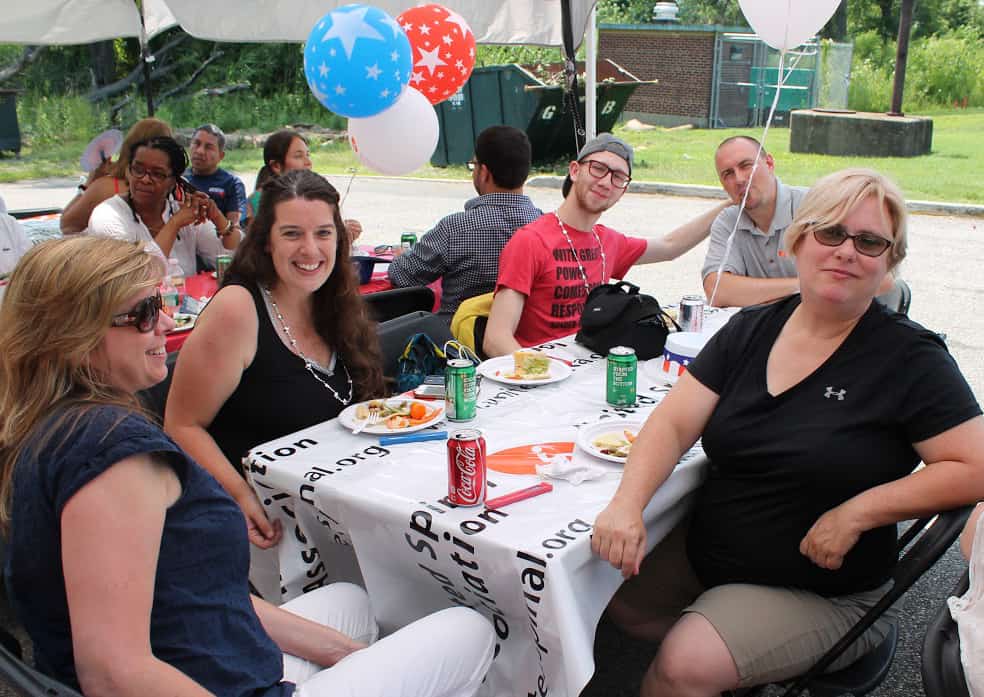
On July 17, the staff of United Spinal celebrated Employee Appreciation Day at its Fort Totten site. Employees from all divisions of the organization gathered for a day of fun in the sun, including lunch, games, cake and the awarding of the Employee of the Year award. This year’s award went to Bill Fertig, director of United Spinal’s Resource Center (pictured at Roll on Capitol Hill, below).
Support New MobilityWait! Before you wander off to other parts of the internet, please consider supporting New Mobility. For more than three decades, New Mobility has published groundbreaking content for active wheelchair users. We share practical advice from wheelchair users across the country, review life-changing technology and demand equity in healthcare, travel and all facets of life. But none of this is cheap, easy or profitable. Your support helps us give wheelchair users the resources to build a fulfilling life. |


Recent Comments
Dick Crumb on Adapting Recreation To An Aging Body
Karen on The Everlasting Saratoga Cycle
Ted Kilroy on Handcycle Gear Guide