


Using Fantasy to Liberate, Rather Than Erase My Disabled Identity
February 15, 2026
Kelsey Peterson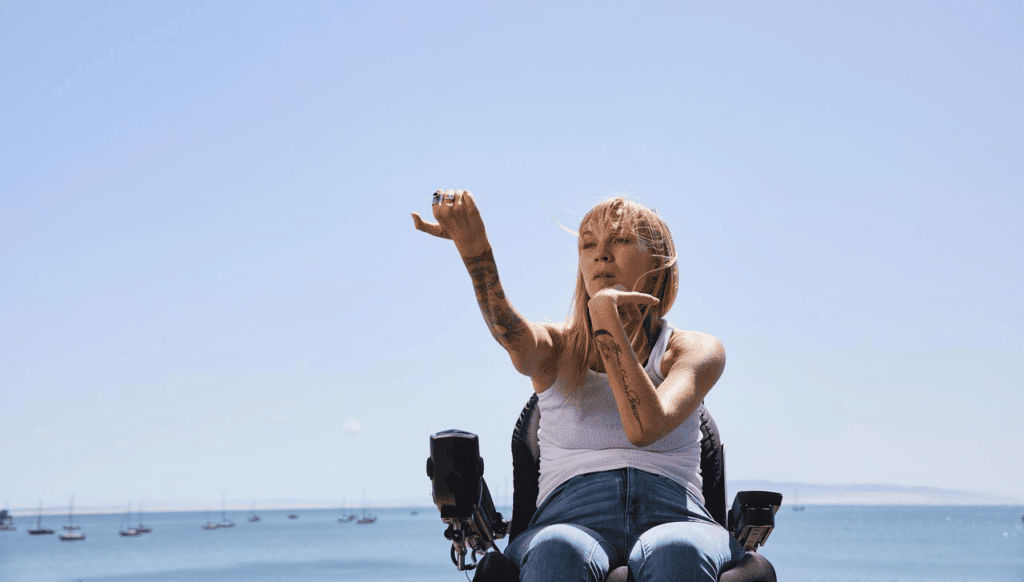
We all fantasize. It’s human. I’ve had many fantasies in my life, and I don’t just mean sexual fantasies, but those pertaining to different aspects of my life — my body, my environment, or experiences I want to have. Fantasy is a space to dream, to indulge, to feel limitless. I’ve had many fantasies as a disabled person. Sometimes a little dissociation can reset the nervous system and bring some much-needed release, joy, pleasure, and even clarity, in a world full of barriers.
But it was about a year and a half into my disabled identity when I realized that some of my fantasies were hindering my ability to really see myself and stunting my journey with self-love and acceptance. It wasn’t until very recently that it occurred to me that some of my sexual fantasies, while enjoyable, possibly didn’t include enough of … me.
In the first year or so of my disabled life, I’d take the city bus to physical therapy a couple days a week. Still deep in grief, missing the body I once had as a dancer, I would put on my headphones, stare out the window and totally dissociate. I’d just listen and journey to the dance floor in my mind.
I would imagine myself dancing, doing things I did before, effortlessly. In the privacy and expansiveness of my mind, I could do anything. I had no limits, no disability and no ties to my body. It was fun.
Until it wasn’t.
Unencumbered, I was dangling by a thin thread between two worlds, at yet another threshold of self-acceptance and discovery.
A few months ago, I met a guy at a concert and we hit it off. After a couple weeks of texting, doing our long-distance courtship dance, things started to heat up. One night, I shared some pics from a photo shoot a few years back.
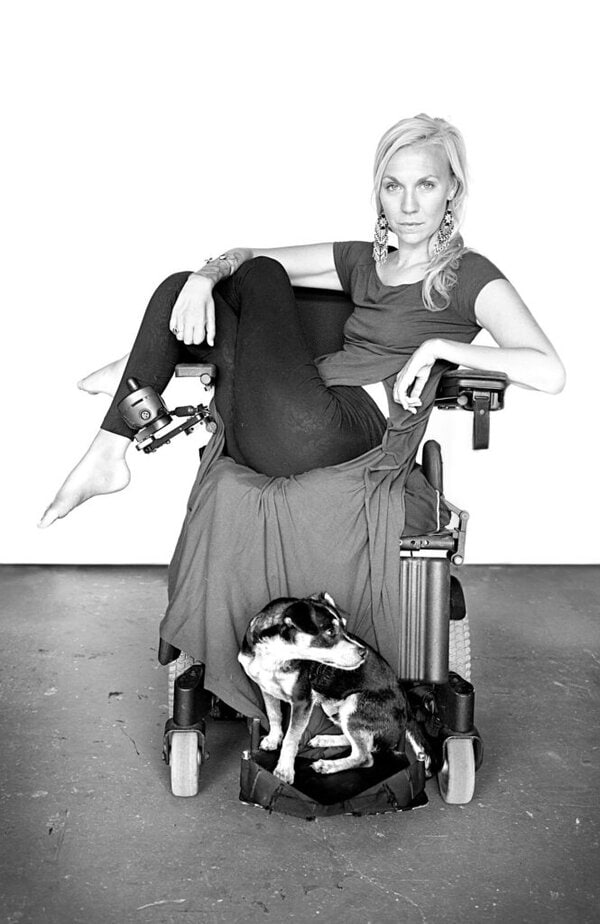
And then one of me from just a few days before my injury, shamelessly sharing how much I missed my old ass.
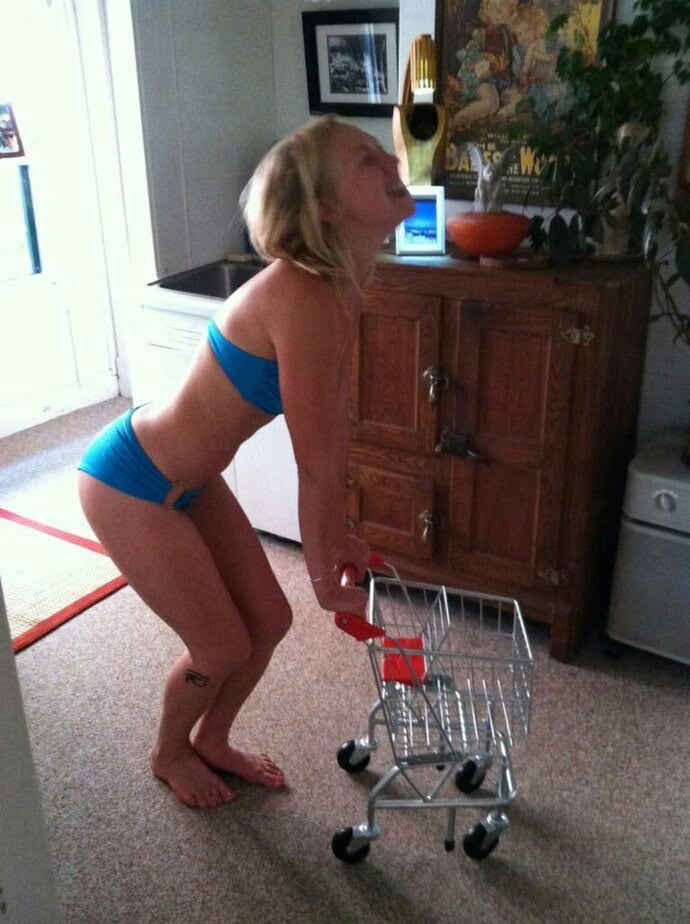
His response stunned me …
He shared how he was lusting after the version of me in my chair, legs draped over my arm rest. He was “oogling” my booty, and loving the power and confidence I exuded. I hadn’t had a man gush over the ass I have now, the one that sits, hidden in this wheelchair. His words dripped through me like honey. I was speechless and delightfully turned on.
Our texting quickly turned into sexting, his words like a salve to my tender wounds, dissolving the painful narratives that resided in my flesh. Afterwards, he reiterated that he had imagined himself with this version of me, “Not the old Kelsey, this one. That is who I’m attracted to.” And I remember feeling my heart utterly melt. What an erotic way to feel so incredibly seen.
Once I fully landed after our linguistic tryst, I was stunned by what it stirred in me. I have known for some time now that internalized ableism is a force against how I see myself as a sexual being. My pleasure practice is a living reclamation of my sense of sexiness, worthiness, desirability and my capability to give and receive boundless pleasure.
But it hadn’t occurred to me I could be co-signing ableism by engaging in fantasy that didn’t really include me in this body. So, where is the line between healthy and harmful when it comes to our fantasies as disabled people? Are our fantasies a form of ableism, or just unabashed fun? We all create unrealistic worlds in our fantasies, that’s why they’re called fantasies. But if we want to be seen and truly see ourselves, where do we draw the line?
One night, I tried to bring the able-bodied version of me into our phone sex. I was longing to ride him, imagining him lying back in awe, watching me as I rolled my body on top of him. There is such satisfaction in beholding the pleasure you can elicit as someone receives and witnesses you, in your own power and pleasure — like carnally divine reciprocity.
But the interesting thing was that my fantasy didn’t land for him. He had no relationship with my able-bodied self — his mind couldn’t go there. He simply couldn’t paint a picture of what that body was like. He couldn’t put me in that story, and so the fantasy fell flat.
We talked about it later that day and left it in a place of possibility. Maybe that fantasy could be reshaped. Maybe next time I could introduce him, in detail, to the body of mine he has never known.
But honestly, as I write this, I don’t know that I want to. I don’t think that painting a picture of the body I used to have, would feel good for me. I don’t think it would be worth it, trying to convince the man — who already sees me, as I am — of the power and sexiness of a body that I have mourned, that I continue to mourn, while effectively dismissing the power of this one. I’d be entirely dismissing myself, and everything I’ve been through to get here.
Once I started to let go of my able-bodied dancer self, I was able to redefine what being a dancer was to me. I was able to see the term “dancer” as something malleable for me to reshape, and I found dance again.
I can invite my disabled body into the fantasy, and still be limitless, it just takes a little courage, curiosity, and creativity. This is sex alchemy — using our imagination to create actionable solutions.
Could we try getting me on top in the water? Maybe a sex swing… Do we need to MacGyver this shit and design something entirely new? Or is this a “top energy” as a power bottom situation?
I’m here for it all.
I’ve been practicing fantasy more and more in a meditative space, creating my ultimate sensual landscape in which to play. I breathe, I listen, I allow, I open, I moan, I release. I let my sexual energy flow through me and expand with each breath. I let my desires guide and inform my pleasure practice, all in an exercise of self-love, pleasure and joy. And I am blooming.
What I’m offering here is a glimpse. An opportunity to just notice, in a place of wonder, honesty, and care. Only we know what opens doors and inspires, what harms or heals, what blocks or what brings abundance.
I think that’s what the key is: Fantasy, at its best, becomes a kind of wound debridement, an opportunity for enchantment. We can find a place where story and desire intersect to work through our emotions or traumas, our deepest desires or secrets, and mesh them into something erotically cathartic and expansive.
Kelsey Peterson is a disabled dancer and multidisciplinary storyteller whose work explores pleasure, embodiment, empowerment, and disabled identity. She is co-host of the new podcast, Pleasure Bound, now streaming on Spotify and Apple Podcasts.
Support New MobilityWait! Before you wander off to other parts of the internet, please consider supporting New Mobility. For more than three decades, New Mobility has published groundbreaking content for active wheelchair users. We share practical advice from wheelchair users across the country, review life-changing technology and demand equity in healthcare, travel and all facets of life. But none of this is cheap, easy or profitable. Your support helps us give wheelchair users the resources to build a fulfilling life. |


There is no greater pain than the feet that long to dance but cant move.