


When Wound Care Fails: Why Disabled Patients Need Doctors Who Listen
April 21, 2026
Tim Gilmer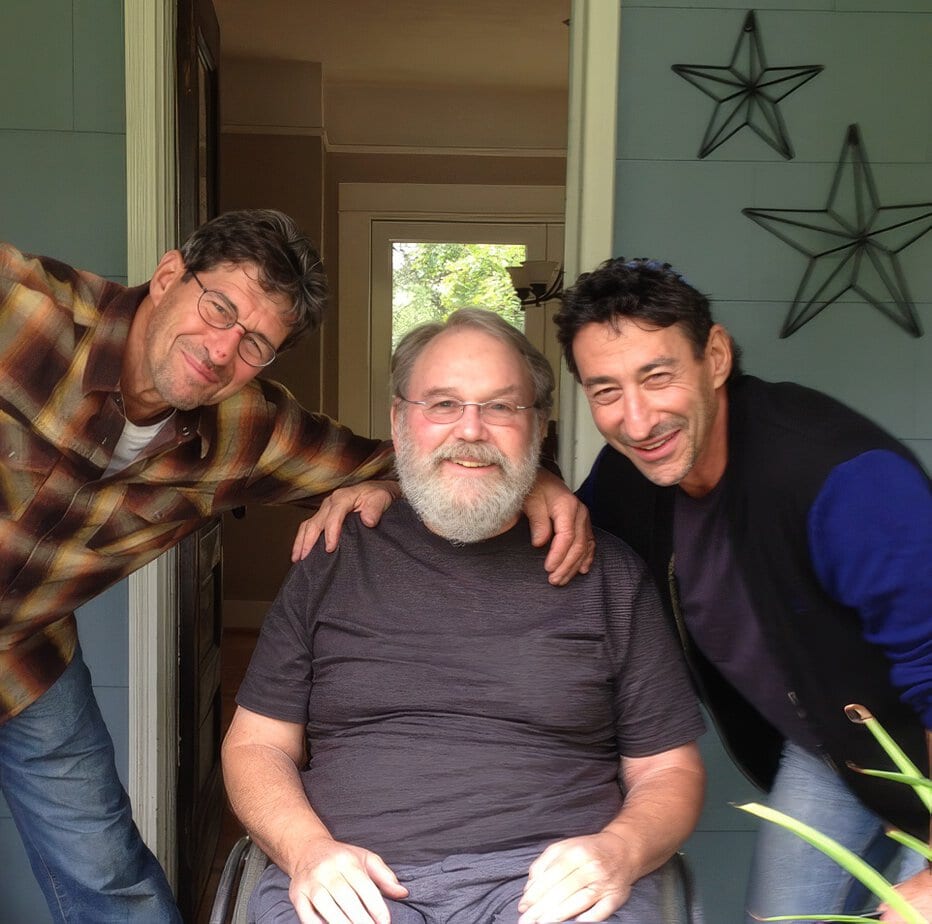
As a full-time wheelchair user with complete T11 paralysis for 60 years, I’ve learned the importance of truly dedicated, caring medical specialists, how difficult it can be to find them, and how critical it is to avoid doctors who only see us as a collection of body parts in a medical chart.
I’ve watched as insurance companies, hospitals and clinics have partnered with for-profit companies to prioritize cost-cutting by treating as many patients as possible in as little time as possible. Now we are left with a healthcare system that runs on 10-15-minute appointment slots — ill-suited for people living with complex multi-symptom disabilities like SCI or related neurological injury or disorder.
Thankfully, my experience has also shown me that with diligent, personal research, self-advocacy, determination, and a little luck, we can connect with certain doctors who make time to listen and get to know us and our individual healthcare needs.
Meet Dr. Bruce Ruben
I first came face-to-facewithDr. Bruce Ruben during a Skype call. Ruben is an infectious disease specialist with his own wound clinic, Encompass Healthcare and Wound Medicine, in West Bloomfield, Michigan, and I was interviewing him for a story I was writing for New Mobility magazine. At the end of the interview, he turned the tables and began asking me questions about my current health status and lifestyle. I was not seeking his care but came away impressed by his passion for helping patients.
Three years later, in the summer of 2013, while I was struggling with a non-healing lower extremity pressure wound, I called him for advice. A few weeks later, he called me from Portland International Airport asking for directions to my home. He, his brother and a friend had flown 2,300 miles from Detroit to climb Mt. St. Helens, located two hours north of my home outside Portland, Oregon, and he wanted to see me.
In the comfort of my living room, he spent more than three hours examining me and taking down my life history — all things medical — from childhood to my then-current age of 67. He promised to send me a comprehensive plan of treatment as soon as he returned to his office. When I asked how much I could pay him for making the longest house call in modern history, he pulled five issues of New Mobility from his briefcase and asked me to autograph each copy.
“Autograph?” I asked. I had never autographed anything in my life.
“Yes, I’ll give these to five of my current patients,” he said
“What about your payment?”
He handed me a list of five names. “Just write an encouraging note to each one. That’s payment enough,” he said.
I’m not the only one with Ruben stories to tell. His office manager and right-hand woman for decades, Kitty Carpenter, says medical professionals and patients in the greater metropolitan Detroit area know him as “The Wound Doc” — because of his success in treating non-healing wounds — or as “House,” the popular TV series character whose holistic treatments always find the underlying causes and remedies hidden among the weeds.
Making Choices
Early in his career as an infectious disease specialist, Ruben saw inherent problems with delivering wound care in a hospital setting, where cross-contamination from hospital-borne bacteria was common. Wound healing had, and still has, no board certification for physicians from the American Board of Medical Examiners.
Treating wounds successfully involves a network of different doctors, nurses, processes and procedures at different locations and times. Being board-certified in internal medicine, infectious disease, and hyperbaric medicine, Ruben wanted to provide access to the most effective treatments in one space.
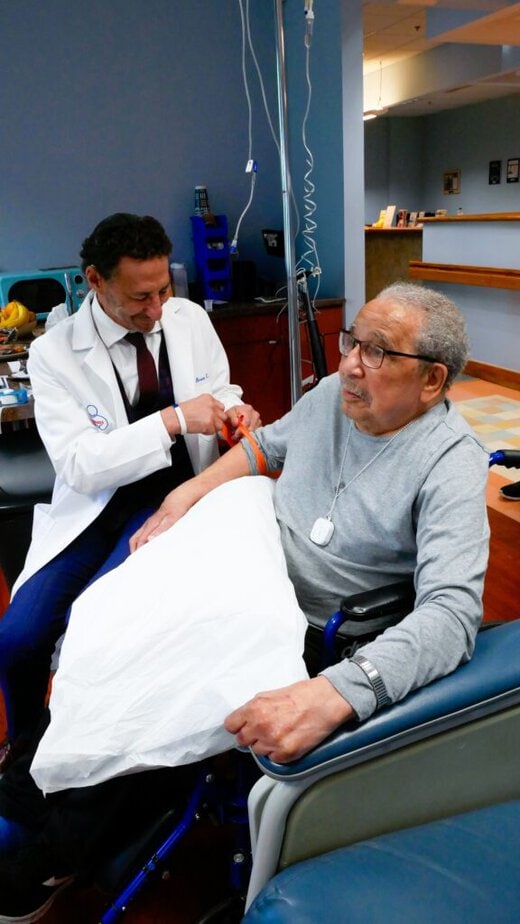
In 1994 he opened a round-the-clock infusion center, and by 2010 he had added a minor surgery suite for debridement and grafting, three hyperbaric chambers, a roll-in shower (for wheelchair users who may have bowel accidents from infusions), a no-cost vitamin and nutrition bar with healthy food, a Hoyer lift and an adjustable Baker bed — all in a fully wheelchair accessible environment with dedicated staff who follow a patient-centered ethic. “I could work anywhere,” says Carpenter, “but I choose to stay here with Ruben. A lot of us spend more time at work than we do at our homes. Helping others is its own reward, so we are a tightknit family.”
Importance of Remote Patient Advocacy
In July of 2025, after two years of ineffective see-saw treatments by two different providers at the same wound care clinic in Portland who could not agree on how to treat my wounds, I texted Ruben and asked if he had time to talk. I was stuck in bed at age 80, this time with two non-healing wounds — one on my right leg and a second on my sacrum. He responded right away on Facetime. I told him I was feeling woozy from battling wounds again. He immediately asked me to send wound photos taken by my home health nurses, then looked up and called a well-known Portland dermatologist’s office on a separate line while I waited on hold. His face returned on my screen in a few minutes.
“OK, you’re all set.”
“You got an appointment?”
“Tomorrow.”
“Tomorrow!?” I felt like I had witnessed the impossible. This dermatologist was scheduling appointments 4-6 months in advance.
The following day, during my appointment, I started seeing black spots and felt dizzy. The next thing I knew, I had lost consciousness and was being transported by ambulance to Oregon Health Science University’s hospital — OHSU — where I was diagnosed with sepsis from life-threatening osteomyelitis involving the entirety of my right fibula. A second MRI on my sacral wound also found underlying osteomyelitis, but only because Ruben, advising from afar, had insisted on it. Despite two years of treatments at the Portland clinic, my local doctors had never considered ordering an MRI to check for osteomyelitis.
After five days of strong IV antibiotics, a multi-specialist team of doctors advised me to have an above-the-knee amputation immediately — before being discharged. This would require significantly more downtime in bed post-op. I felt weak, hesitant, and wanted to go home first. I didn’t trust the team of doctors or the nursing staff. They knew little or nothing about my wheelchair lifestyle — my transportation needs, how I transferred, my suprapubic catheter, my ostomy, my ongoing need for sacral wound care, my diet, or my need to stay active to avoid weakening. I sent my latest lab results to Ruben, and once again he responded on Facetime.
“You need to raise your red blood cell count, hemoglobin and hematocrit. No need to panic with the drugs they gave you. You’re in no danger of dying. Listen carefully to them, but don’t let them push you around. I don’t think you’re in shape for a major operation now. Rest up and get stronger first — at home.”
They discharged me with a strong oral antibiotic that would buy time and keep me safe for a month, they said. At home I worked on nutrition and raising my protein, albumin and pre-albumin levels, regained strength and made appointments for an amputation with a vascular surgeon I trusted, followed by a consultation with a plastic surgeon to close my sacral wound, all based on remote, active support from Ruben.
“Listen,” Ruben told me via Facetime, “You do have another option. I know it’s very difficult for you to travel, but you know I’ll take care of everything if you come to my clinic, and don’t worry about travel expenses. I’ll send you a plane ticket.”
I seriously considered his invitation, having written too many obituaries of disability rights figures who had died — unexpectedly — from sepsis. But my final decision was to stay home, not only because of my age and difficulty flying, but also because my family support was so critical to my everyday needs.
“I understand your choice,” he told me on our next Facetime call. “Please call me anytime you need something. When you check in at the hospital, give me the name of your infectious disease doctor there, and I’ll call them.”
The amputation itself went well — they always tell you that — but excessive bleeding and drainage from my stump incision plus a degree or two of lingering fever worried me. Despite the fever, they discharged me. The incision looked inflamed to me. At my first follow-up, the post-op nurse practitioner seemed unconcerned. I insisted on seeing my surgeon and refused to leave. Thirty minutes later he popped into the exam room, inspected my incision and told me I needed a “washout” immediately.
The “washout” turned into a full-blown revision surgery (higher amputation). Bone and tissue cultures indicated the presence of a resistant bacterium. On my insistence, the hospital’s infectious disease doctor agreed to consult with Ruben. The two ID doctors got along well by long distance despite differing systems and expectations, seeing eye-to-eye on a six-week course of the most effective I.V. antibiotics for the resistant organism.
As I write this, I have recovered from the revised above-knee amputation, six weeks of targeted infusions, and the sacral flap surgery, followed by a second 6-week course of infusions. The day before being discharged from flap surgery, my cell phone predictably lit up with Ruben’s face.
The Real Thing
Our many remote FaceTime conversations have been paramount to maintaining my health at critical times, with Dr. Ruben acting as both expert consultant and remote patient advocate. I have talked with him numerous times from my home or when hospitalized; also when he was pacing the floor in his office, when he was at his home on a Sunday morning, when he was a front-seat passenger en route to a see a hospital patient while being driven by a friend, and once when he was resting in a recliner after having received an IV infusion himself. Concerned about him this last time, I called Kitty Carpenter and asked about his health.
Carpenter told me Ruben had just concluded two years of treatments for an aggressive leukemia. She said business had fallen off during that time, but now he is re-energized and back at work full-time. I had seen clues of fatigue but never would have guessed he was fighting a life-threatening illness, and that during that time, doctors who routinely referred their patients to him were disappointed when they had to look elsewhere. They wanted “House.” They wanted the real thing.
We all want and need the real thing — doctors who are willing to go “the extra mile,” nurses who are not overworked, hospitals and clinics that are financially stable, affordable insurance that covers costs, patient advocates to guide us, stability instead of uncertainty. We most certainly need more doctors like Ruben, but specialists with their own wound care clinic are a rare breed, while the number of people dying of sepsis-related wounds is rising as our aging population grows. U.S. government estimates predict our elderly population — where most serious wounds occur — will reach 77 million by 2060. Can our already overburdened healthcare system expand to meet the challenge?
Some say we should look to artificial intelligence to meet our future healthcare needs. But current expectations for AI-driven healthcare predict more layoffs and fewer doctors, nurses, and clinics.
In my experience, the foundation of effective healthcare is human, made up of dedicated nurses, doctors and specialists. Successful healthcare begins with a friendly face, a loving spirit, unshakable motivation to help others, and timely treatment.
How to Find a Good Doctor
We asked our readers and social media followers how they find good doctors. Here’s what they said.
Rachael Link, Ohio
I live in a very small town that is mostly farmland, and I’m one of three people in the county with a spinal cord injury. My brother and his family had been going to the same family physician for a couple years. I didn’t know much about her the first time we spoke. She had no experience with spinal cord injuries, but she listens to me, does lots of research and even calls other professionals if needed. She has always given me an answer or sent me in the right direction. She has saved my life more than once by listening and caring.
Shanta Favors, Michigan
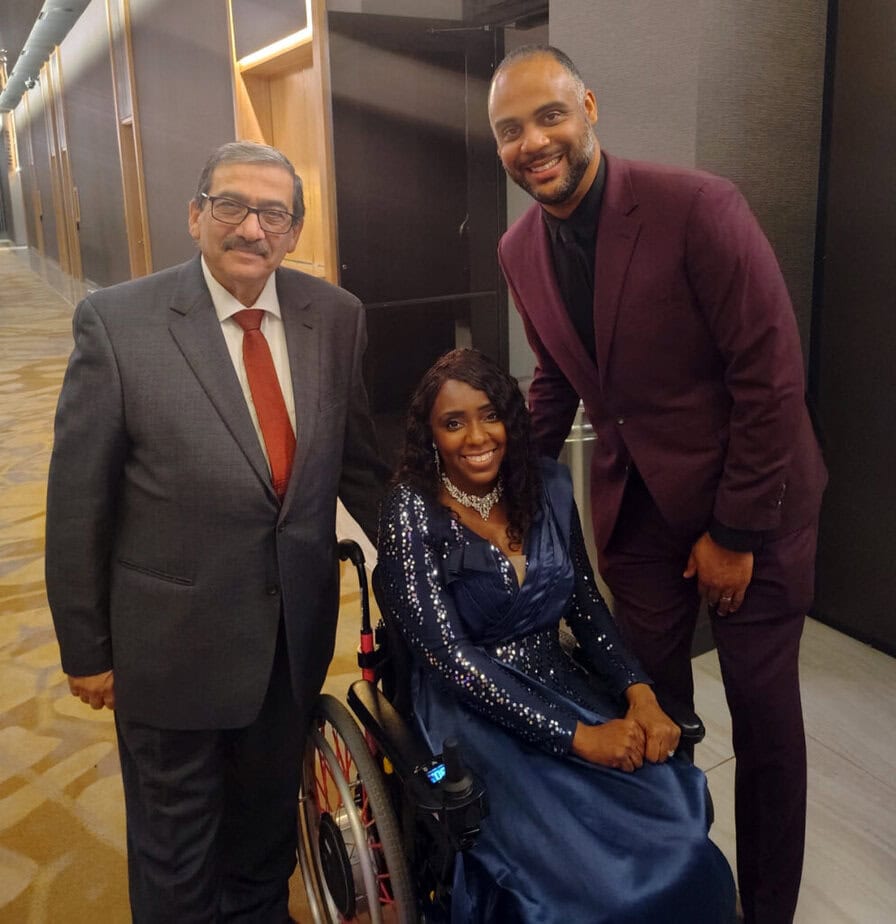
Living with a spinal cord injury — using a wheelchair, managing neurogenic bowel and bladder, multiple surgeries, and a baclofen pump — has meant navigating a lot. But along the way, I’ve been incredibly fortunate to be surrounded by doctors who truly listen.
With my surgeon, urologist, neuropsychologist and physical medicine and rehabilitation physician, it’s never just been about treatment. It’s been about having a team that understands you and genuinely wants to help you reach your full potential, whatever that looks like.
During my time at the Rehabilitation Institute of Michigan in Detroit, I experienced an incredible inpatient team of doctors, nurses, physical, occupational and recreational therapists who played such an important role in recovery. It really came down to teamwork, connection, and a shared goal for the best possible outcome, both inpatient and outpatient.
I’m grateful for every single one of them. It’s been eight years this July, and I’m still pushing and giving recovery my all with my amazing team.
Shannon Kelly, Illinois
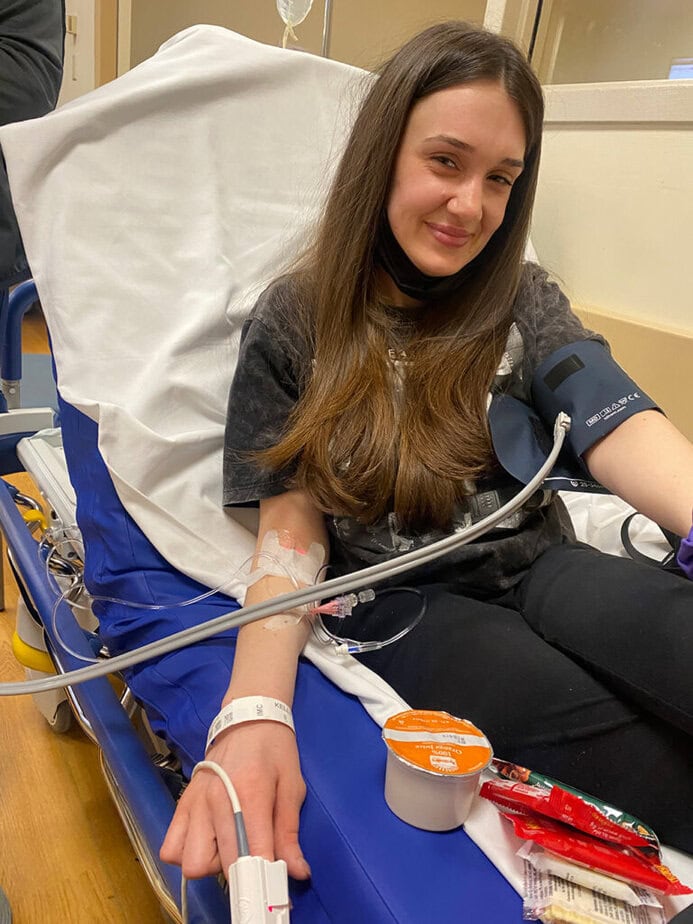
In 2024, I began using One Medical, a concierge primary care service. They charge $200/year membership ($99 for Amazon Prime members) and bill insurance for visits and lab work like normal. The extra price has been well worth it for me. The doctor comes out to greet you in the waiting room and is rarely running late because they schedule an adequate amount of time per appointment. They also spend the entire time with you so there are no awkward intake sessions with a nurse.
Although my doctor doesn’t have specific experience treating disabled patients, she is always willing to learn and accommodate. When I had to schedule a test at a partner hospital, they processed my results first because I was a One Medical patient. The tests came back abnormal, and I got in to see a specialist and surgeon right away. There is also an app where you can book same-day appointments, 24/7 video visits and message your doctor directly. There is a free version of the membership, but you don’t get access to the app. Healthcare is often complicated and slow-moving, so paying for the extra conveniences and tailored support have been well worth it for me.
Support New MobilityWait! Before you wander off to other parts of the internet, please consider supporting New Mobility. For more than three decades, New Mobility has published groundbreaking content for active wheelchair users. We share practical advice from wheelchair users across the country, review life-changing technology and demand equity in healthcare, travel and all facets of life. But none of this is cheap, easy or profitable. Your support helps us give wheelchair users the resources to build a fulfilling life. |