

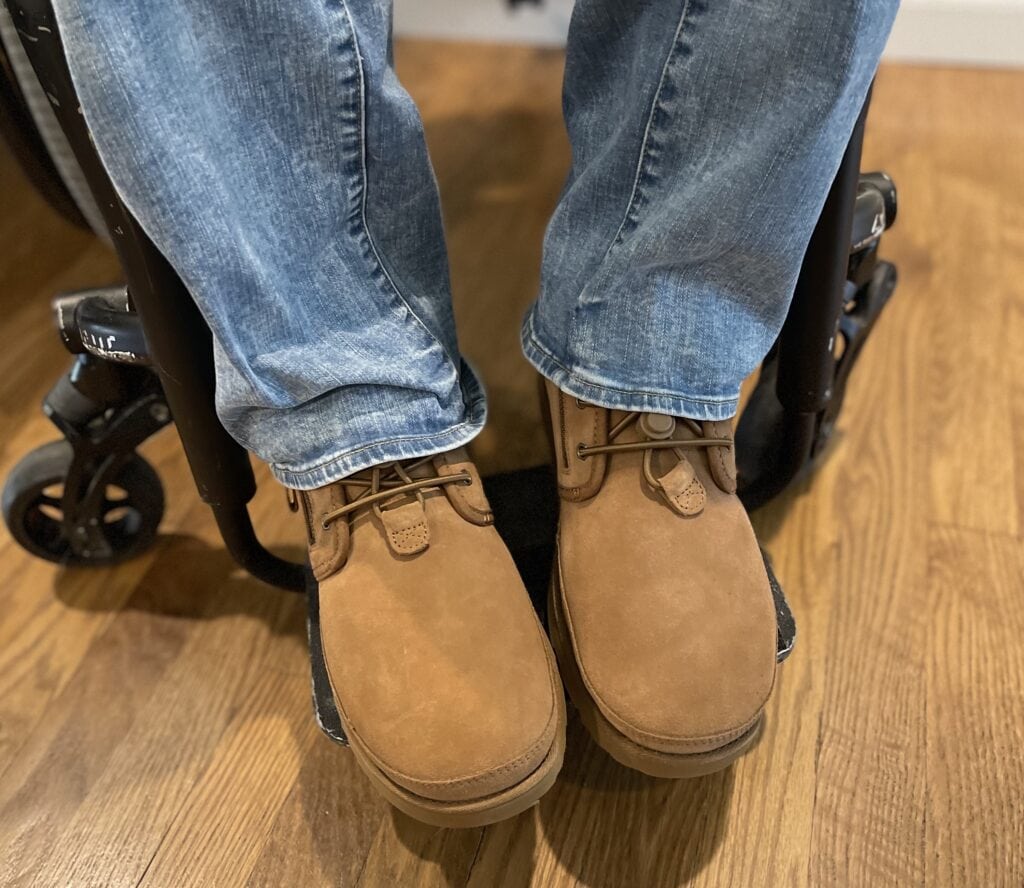
For people with disabilities, the decision to buy a pair of shoes can involve factors more complicated than looks and size. Is the shoe easy to put on? Does it put pressure on areas that could cause skin problems? Will the shoe fit with a brace or on a prosthetic?
Fortunately, in recent years mainstream shoe manufacturers have realized there is a huge market of people with disabilities who want stylish, easy-to-wear shoes. With manufacturers like Ugg and Nike investing in adaptive products, more companies will follow suit, and the adaptive footwear innovations will benefit us all. Gone are the days of contorting our feet to fit into the hottest new shoe or settling for our grandparents’ clunky orthopedic shoes.
I was able to check out some adaptive shoes from several manufacturers that are working to meet the fashion and accessibility needs of New Mobility’s readers.
Ugg
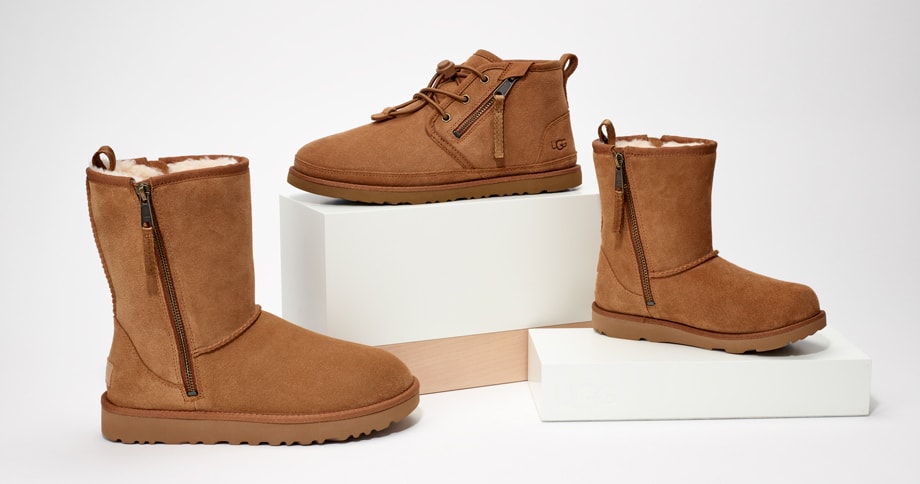
Ugg partnered with Zappos Adaptive to design the Ugg Universal line of shoes, available exclusively on the Zappos Adaptive website [see sidebar]. Ugg and Zappos worked with focus groups composed of people with disabilities to find ways to make their shoes accessible to as many customers as possible. The result was the Ugg Neumel Dual Zip, available in men’s sizes, and the Ugg Classic Short Dual Zip, available in women’s sizes.
The shoes are among Ugg’s most popular models available. Both the Neumel and Classic Short feature zippers down the sides allowing the shoe to open wide for easier entry. The Neumel also has an elastic lacing system that eliminates the need for shoe tying. Both shoes have Ugg’s wool blend lining on the inside, which I have found helps to reduce pressure points on the feet.
Crocs
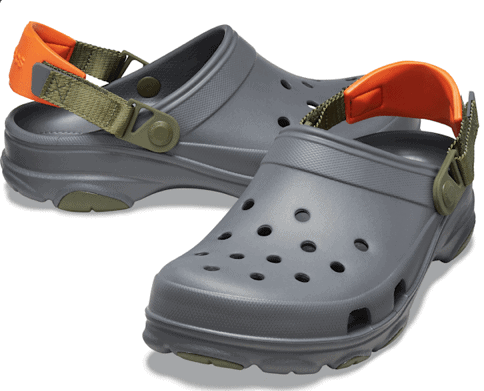
Crocs has designed a version of its popular clog with Velcro straps attached to the traditional strap that secures the heel in place. This eliminates the need to bend and maneuver the foot and ankle to put the clog on. Crocs are a great option for going to the beach or the pool, or just to wear around the house.
Propét
Propét offers shoes for men and women, with adaptations such as Velcro straps, zippers, and stretchable material to make them easier to put on. I tried the Kade model, a casual shoe with a Velcro strap and elastic tongue, as well as the Viator Strap shoe, which is a soft, flexible athletic shoe with a Velcro strap and elastic tongue. Both shoes were easy to put on and were attractive.

Adidas
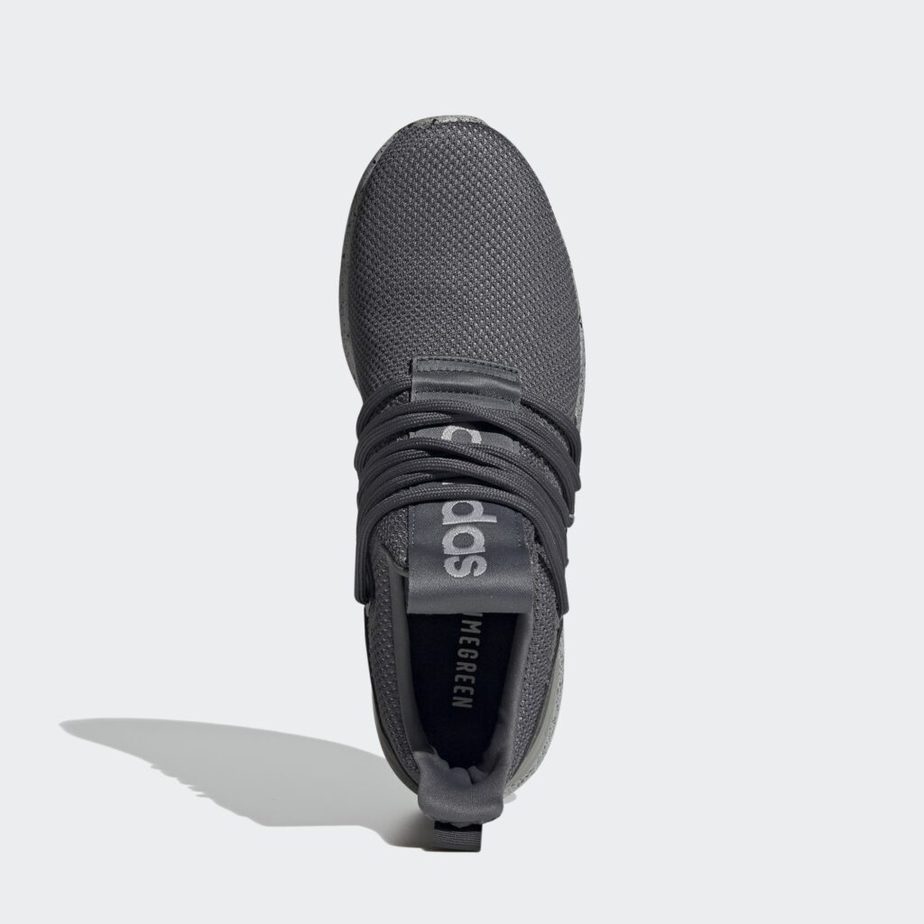
Some shoes like the Adidas Lite Racer Adapt have no obvious adaptive modifications but work quite well anyway. I was skeptical about trying the Lite Racer Adapt, as it looks slim and difficult to put on. However, I was surprised to find that it stretches easily and the heel folds, making it simple to slide in my foot. It has elastic laces that do not need to be tied, and the shoe remains secure around the foot.
Billy Footwear
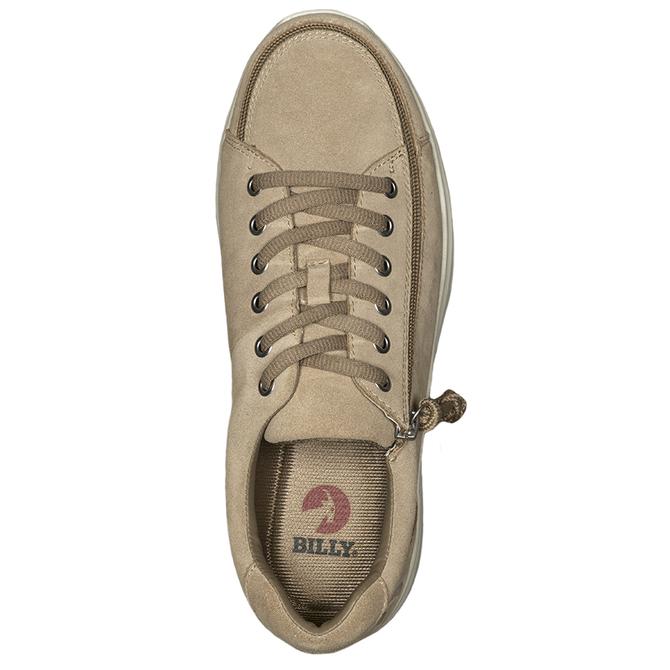
Billy Footwear is a universally designed shoe line by Seattle-based quadriplegic Billy Price. Billy Footwear shoes feature a zipper that wraps along the side of the shoe and around the toe, allowing the user to completely open the shoe and place their foot inside. Once the foot is inside, the shoe can be zipped up easily and securely.
I like Billy Footwear shoes because my toes curl due to muscle tone, and it is nearly impossible to keep them straight while putting on a shoe. Having a shoe that opens completely makes it easier to keep my toes straight while putting on the shoe and reduces pressure points that could cause skin breakdown.
Billy Footwear shoes are available for men, women, children and toddlers, and come in a variety of styles, including athletic shoes, casual shoes and rain boots. Billy Footwear shoes are available from billyfootwear.com, online retailers such as Amazon and Zappos, and shoe boutiques internationally. Billy Footwear prices range from $45-$100.
Nike
In 2015, Nike introduced the adaptive Flyease line, which includes some of Nike’s most popular shoe models modified with adaptations for people with disabilities. Depending on the model, a Flyease shoe might incorporate a zipper, a Velcro strap, elastic bands or a collapsible heel.

Early in 2021, Nike debuted its first hands-free shoe, the Go Flyease. The Go Flyease’s heel folds back when the shoe is removed. The shoe remains open, allowing the wearer to slide their foot into the shoe and lock it into the heel using pressure through their foot. Although many with spinal cord injuries may not be able to use the Go Flyease hands-free, the design still makes it easier to insert the foot and eliminates the need for tying laces. Nike Flyease shoes come in several models for men, women, children, and toddlers and range from $35-$200 at nike.com.
Zappos Adaptive: One Stop Shopping
If you’re unsure what adaptive shoes might work for you or you simply want to browse, you’d be hard-pressed to find a better starting spot than Zappos Adaptive. The online retailer Zappos launched its Adaptive line in April 2017 to showcase adaptive footwear options and make shoe buying easier for people with complex needs. Its Single and Different Shoe Size Program was at the heart of the effort, which allowed consumers to buy a single shoe or build a pair using different sizes from leading brands. The Adaptive line has grown to include exciting options from Ugg, Crocs, Tommy Hilfiger and more. In addition to shoes, the site offers adaptive clothing, accessories and medical wear.
Support New MobilityWait! Before you wander off to other parts of the internet, please consider supporting New Mobility. For more than three decades, New Mobility has published groundbreaking content for active wheelchair users. We share practical advice from wheelchair users across the country, review life-changing technology and demand equity in healthcare, travel and all facets of life. But none of this is cheap, easy or profitable. Your support helps us give wheelchair users the resources to build a fulfilling life. |


Great article! I have worn two sizes of shoes all my life and usually special order. Glad to find out more companies are making adaptive shoes. Thanks for the info.
Really think the site touches on issues that needed to change. Get pissed off when I struggle to tie my gym shoes!
I appreciate this information which is useful for so many people. I had surgery on my toes last year and it’s harder to put shoes on now with pins in my toes as they don’t bend and are still tender so don’t like being shoved into small places. As winter gets closer I’d prefer a shoe to wearing socks with sandals! I’m going to share this article with my foot doctor as well, I know many people that could put these adaptive shoes to good use.
Stylish shoes that fit over braces would be nice. Most of these styles won’t work for me.
Maybe try Billy. I’ve seen them work for both adults and kids with larger braces/AFO’s.
Kiziks! 36 years injured, these are my favorite go to’s
Are there any dress shoes for women with AFOs who can’t wear heels?
Great article; thanks for collating. My problem is the back of the shoe. I’ve got one pair with a padded ‘collar’ and they are all I can wear. Old scar tissue needs protection.
Dear New Mobility,
Thank you for all your great resources!
One shoe solution used recently: I am a T4 complete para, had recently injured my toes. For a special occasion I wanted dressier shoes of a specific style and color. They needed to have extra toe room for my bandages. So I made shoes out of cardboard and duct tape, and covered them with fabric and ribbon, held with more tape and Marine Goop. They worked fine for my needs.
Anna Fajardo