


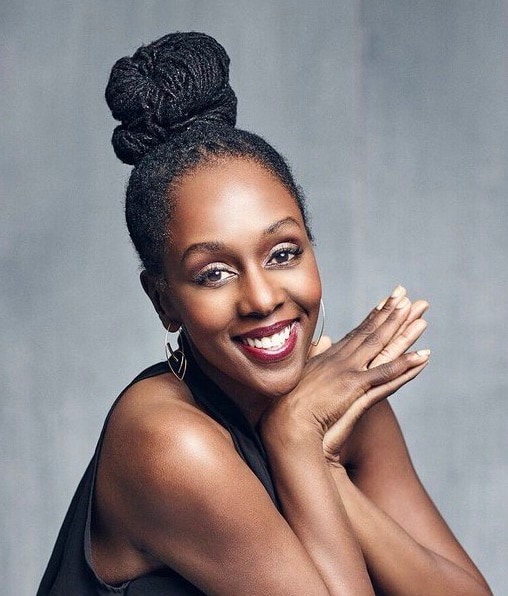
Los Angeles-based Stephanie Thomas is a disability fashion stylist and founder/CEO of Cur8able, a technology platform helping brands create Accessible, Smart, Fashionable clothing for people with disabilities. Born a congenital amputee, Thomas is a trusted voice actor, audio describer, and member of the Screen Actors Guild Persons with Disabilities Committee. She is a professional speaker and lecturer in fashion marketing and holds graduate degrees in communication and fashion journalism.
In 2003, I wrote my first letter to fashion brands highlighting the viability of customers with disabilities. After an entire year of meetings that went nowhere, I knew I had to do something. As I said in my TEDx Talk, I’d spent a decade talking about the problem, but I could no longer just talk about it — I had to be about it. I did just that. I dedicated myself to being a tireless advocate for accessible fashion, and in 2004 I trademarked my Disability Fashion Styling System: Accessible, Smart, Fashionable.
This system acts as a litmus test for my work as a stylist and consultant:
- Accessible: easy to put on and take off
- Smart: medically safe (won’t cause harm to the wearer’s body)
- Fashionable: works well with the wearer’s lifestyle and body type
My advice to all seekers of accessible fashion is always the same. Own your style, self-advocate and end your unrequited love affair with clothing that does not love you back so you can enjoy dressing with as much dignity and independence as possible.
10 Brands I’m Loving Right Now
Before I give you the good news, I want to share the bad news in adaptive clothing. After researching over 100 brands, they all had one thing in common: they were casual. I hope this changes soon, but in the meantime — I’ve got you. Here are my fave adaptive brands of 2021 for dressing your beautiful, seated body.
1. Unhidden
Unhidden is a U.K.-based
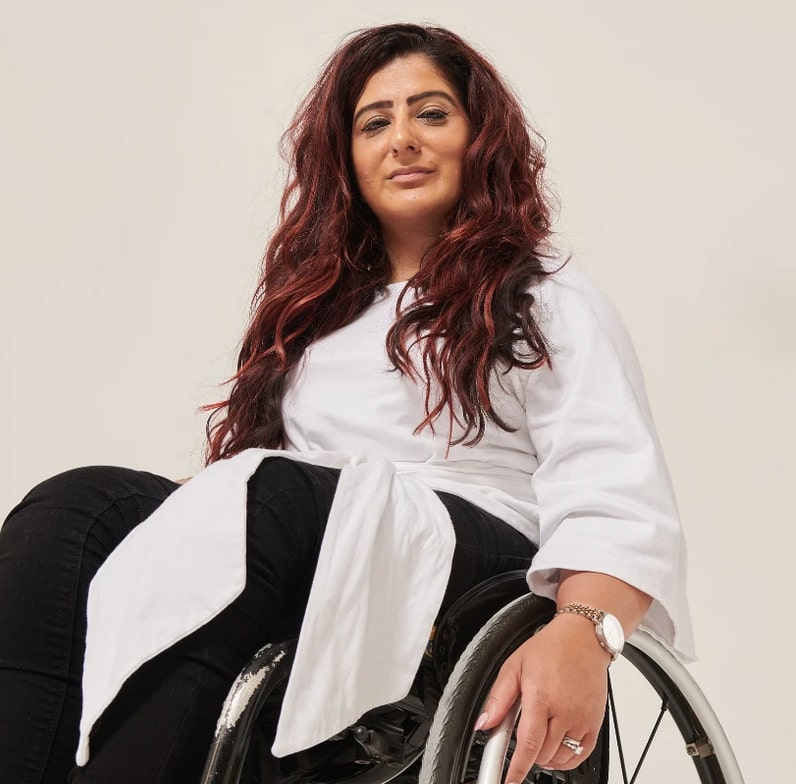
company by Victoria Jenkins, and it is brilliant. I’m a fan of the Unhidden Wrapped Top. The Unhidden Silk Shirt is designed with portholes, and its Seated Twill Trousers can be customized in various sizes by emailing the Unhidden team.

2. Tommy Hilfiger
I love many things about Tommy Adaptive, like the fact that when you log on to Tommy.com, you will find adaptive options in the main menu — you don’t need to go to a separate URL. Can we please normalize that? Recently they’ve extended denim jegging sizes to size 18 for women with seated body types. Word of caution: if you have curvier hips, these jeggings may not work for you, but they are worth trying out.
3. Dehrot Mom Jeans by Lou Dehrot
Lou Dehrot is a rising star! Keep an eye on her work, as she is so thoughtful and unbound by rules that limit innovation. Her line is a great shopping find for our friends outside of the states. I’m hopeful that we will soon be able to purchase her work here in the states. I love the way the back pockets and seams sit high on the back of the high waist mom jeans. If you have a spinal cord injury and are prone to pressure sores, please always remember the “Smart” part of my Disability Fashion Styling System — do not put your health at risk for fashion.

4. The JAM Label
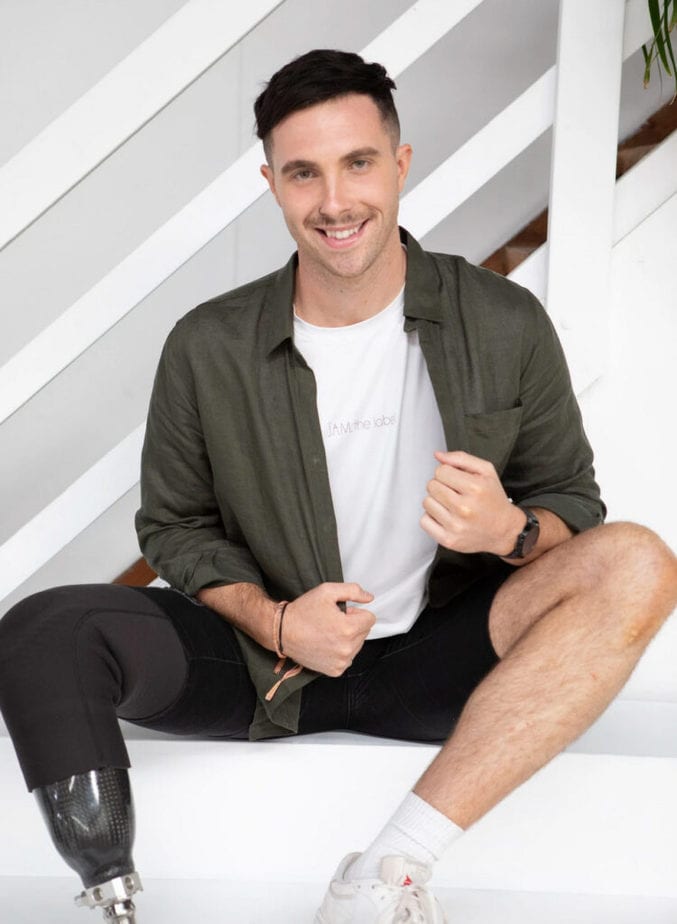
Four words: magnetic closing linen shirt (for men, women, nonbinary shoppers). Why do I love it? It’s a well-made, beautifully designed shirt first, and that is the way all functional fashion should be designed.
5. FFORA
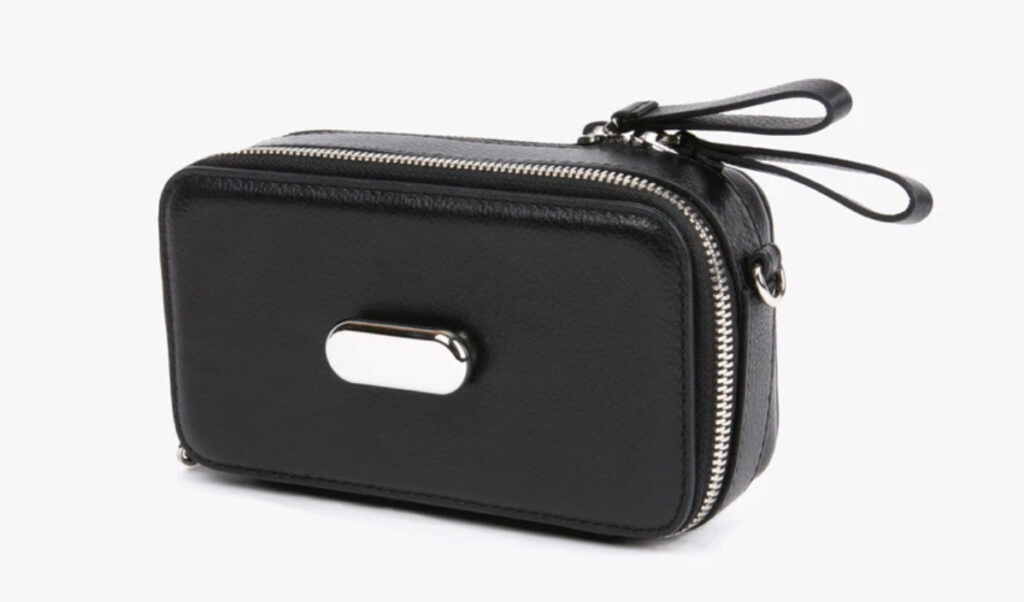
I am a personal fan of FFORA’s essential bag. It is a truly human-centered design. It is gorgeous and attaches effortlessly to wheelchairs. FFORA also now sells a leather bottle holder that attaches to your wheelchair. I also love the fact that FFORA feels like an actual fashion brand — from shopping to unboxing, it is a luxurious experience, and that’s the way it should be.
Keys to Adaptive Shopping Success
It’s the holiday shopping season, one of the best times to shop for clothing that honors your seated body type. Before you shop, here are a few things to keep in mind.
- Take the time to find a tailor or a local seamstress or family member who can accurately take your measurements — it is so necessary. Our bodies change, and most adaptive clothing is sold online. Oftentimes you can bring your clothing to stores like Nordstrom or Bloomingdales and pay to have it tailored. If you prefer not to leave your home, there are plenty of YouTube videos that will show you how to measure your seated body type. Here is one of my faves from Izzy Camilleri. If you’re an ambulatory wheelchair user who also uses crutches or a walker, have the tailor measure you both standing and sitting.
- Most people chuckle a bit when I say this but make a shopping budget. I know, I know, a regular budget may be an issue for you, let alone a shopping budget. Why do I suggest a shopping budget? Because shopping shouldn’t be something that you have to sneak and do or feel guilty doing. You should be able to shop with joy, and making a plan helps you do that. Will it be challenging at first? Most likely, if budgeting is not something you typically do. I also suggest you think about cost per wear. If you always opt to purchase the cheapest clothing or footwear because you say to yourself, “I can’t afford anything else,” what if that product is destroyed after two or three wears or if it’s stretched out? Is it really saving you money? Like Benjamin Franklin said, “If you fail to plan, you are planning to fail.”
- Don’t necessarily shop by gender. Buy what you love. There are instances when the cut of shirts, jackets, pants and skirts is a real consideration. However, that is not always the case.
- Before shopping online or in the store, please go through your closet so that you make informed decisions about how to spend your money. Create a closet filled with clothing you love that loves you back. Avoid clothing that makes you sick — like increased dysphagia or pressure sores — or causes unnecessary discomfort. You can wear clothing you love that honors your beautiful body type.
- Be smart about when and where you shop. Me, I love buying beautiful pre-loved/pre-owned clothing by designers I admire. You can shop for preowned clothing on numerous websites from thredUp, FarFetch and Walmart.com, to traditional department stores like Lord & Taylor. In January 2022, you’ll even be able to shop preowned clothing curated according to my Disability Fashion Styling System: Accessible, Smart, Fashionable on shopstephaniethomas.com.
- Supply chain challenges are real. Give yourself enough time to receive the clothing and accessories you order. Remember, products may be delayed. Don’t be discouraged — whatever you order may be on sale after the holiday.

6. Ministry of Supply
Ministry of Supply’s Kinetic Adaptive Pant uses a four-way stretch fabric, optional gender-specific catheter access and knee darts, making the pants more comfortable. They also sell a suit for seated body types. Note: The suits have a 5-7 week turn-around time.

7. Rollimoden
My fave denim, hands down. I visited the Rollimoden team in 2017 in Stuttgart, Germany. Rollimoden is one of the only locations in the world with a brick-and-mortar storefront for wheelchair users. And its website features a ton of options.
8. Able2Wear’s Drop Front Wheelchair Cords
Able2Wear’s cozy and stylish cords come in beautiful deep khaki green and navy blue. They are a great winter option from a trusted, award-winning brand made in Britain and distributed to the U.S.

9. IZ Adaptive
IZ’s Game Changer Jeans and Chinos are actually game changers, especially for people that have spinal cord injuries and are more likely to get pressure sores. Searching for a sharp black suit for the holidays and other special occasions? Check out IZ’s black suit. I’ve purchased and referred clients to IZ Adaptive since I learned about it in 2009. There are many great options at IZ Adaptive.
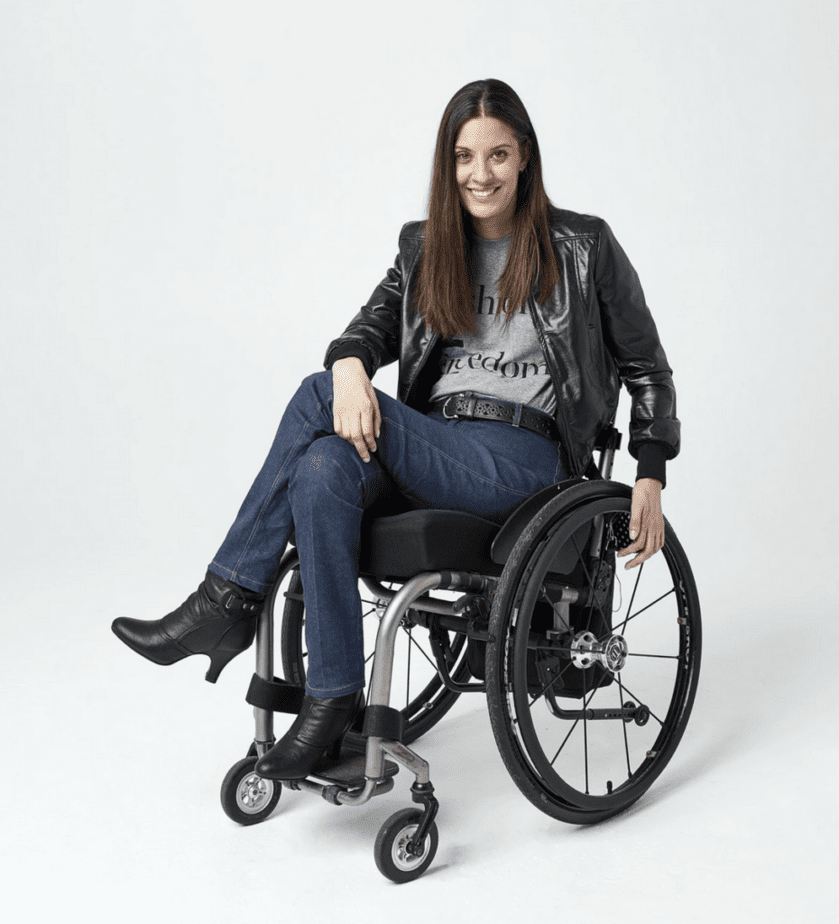
10. The Koolway Koolkoat
This coat is made with attendant dressers in mind. As you know, it can be difficult to put on a coat, so the Koolkoat has an easy-to-use zipper running down both sides of the body (also known as the bodice) and under the arms. This design allows attendant dressers to lay the coat on a seated wearer’s shoulder and simply zip it up. It allows the wearer to be dressed with no pulling, tugging or shoving.

If you use my DFSS® to shop, use the ® and cite me as the source since there is trademark protection. We love for consumers to use it to make dressing and shopping easier, but if you’re a fashion brand and love my DFSS®, email me about upcoming licensing opportunities.
Support New MobilityWait! Before you wander off to other parts of the internet, please consider supporting New Mobility. For more than three decades, New Mobility has published groundbreaking content for active wheelchair users. We share practical advice from wheelchair users across the country, review life-changing technology and demand equity in healthcare, travel and all facets of life. But none of this is cheap, easy or profitable. Your support helps us give wheelchair users the resources to build a fulfilling life. |


Add IZ Adaptive out of Canada to this list. Especially, their Game Changer seamless-bottom pants and sweats.
Oh my, how did I miss that at number 9. Well worth repeating though.
Thank you, Stephanie!
Great companies referenced here!
I would like to suggest adding Buttons 2 Button Magnetic Adaptors. This is the perfect holiday gift. It’s a dressing aid that allows people to adapt any button shirt that reflects their style into a magnetic closure. Simply attach the no-sew magnetic buttons to overcome dexterity challenges.
Thank you for being an incredible advocate for the disabled community!
I’m so happy to have found this wonderful article! Thank you, Stephanie Thomas. I will definitely be following up & spending more time on the details you offer in this article (I found it by doing a search in New Mobility). Your suggestions are very helpful.