


Driving California’s Pacific Coast Highway as a Wheelchair User
May 1, 2024
Lilly Longshore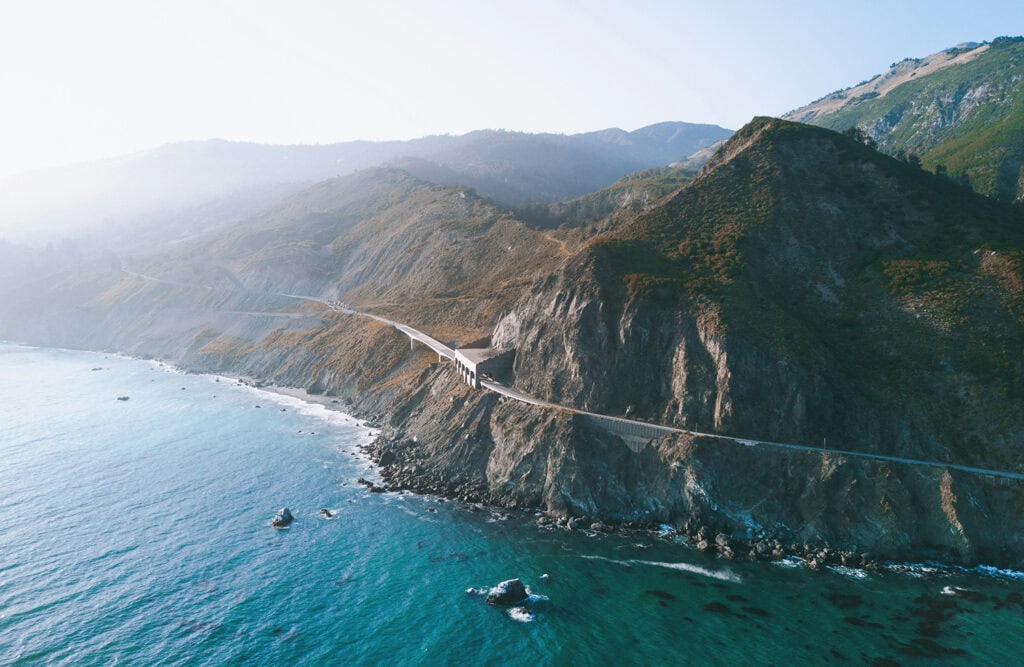
California’s Pacific Coast Highway is one of the most beautiful and famous stretches of road in America and had long been on my must-do list before my husband and I finally checked it off last year with an unforgettable road trip. Covering over 650 miles from the luscious redwoods of Leggett in the north, to the sunny beaches of Dana Point in the south, PCH, also known as Highway 1, packs more stunning locations per mile than any other road I’ve driven.
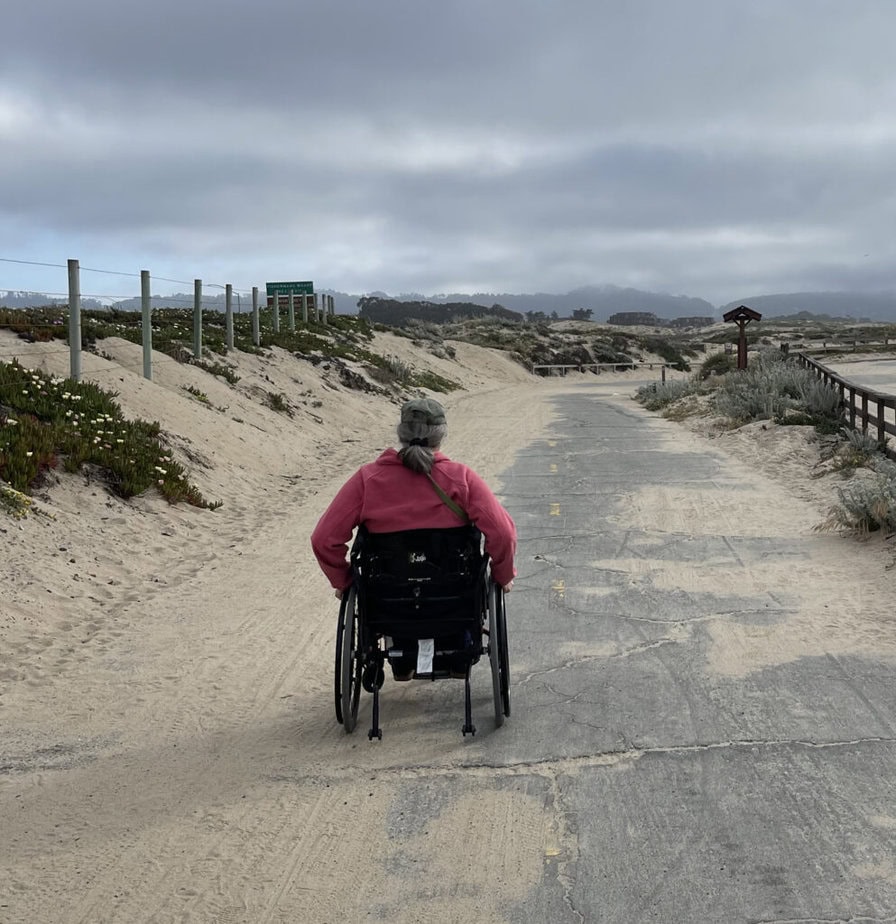
Google says if there’s no traffic you can drive the entire stretch in a little under 12 hours — but don’t even think about it. Though beautiful, a lot of the driving is curvy and hard. On top of that, you’ll want to leave plenty of time to see all the sites and explore. We gave ourselves 12 days to cover around 450 miles, starting at PCH’s inception in Leggett and following it down to Santa Barbara. I ferreted out as many accessible trails and boardwalks as I had time for, appreciated historical sights and quaint towns along the way, and had a fabulous adventure-filled journey. Obviously, not everyone can take that long, but rest assured, no matter how long you have, there will be plenty to do and see.
Under the Giants
Before we started our adventure down PCH, we spent two nights in Arcata to take in the redwoods. The majestic Redwood National and State Parks start near Crescent City. Shrouded in the redwoods’ shade, alternating with bands of green-hued sunlight, I made my way to Klamath along U.S. Route 101, and stopped at Trees of Mystery. Its giant Paul Bunyan and Babe the Blue Ox are great for little kids, and a gift shop, museum, cafe and accessible gondolas over the treetops provide a nice variety at this touristy but pleasant stop.
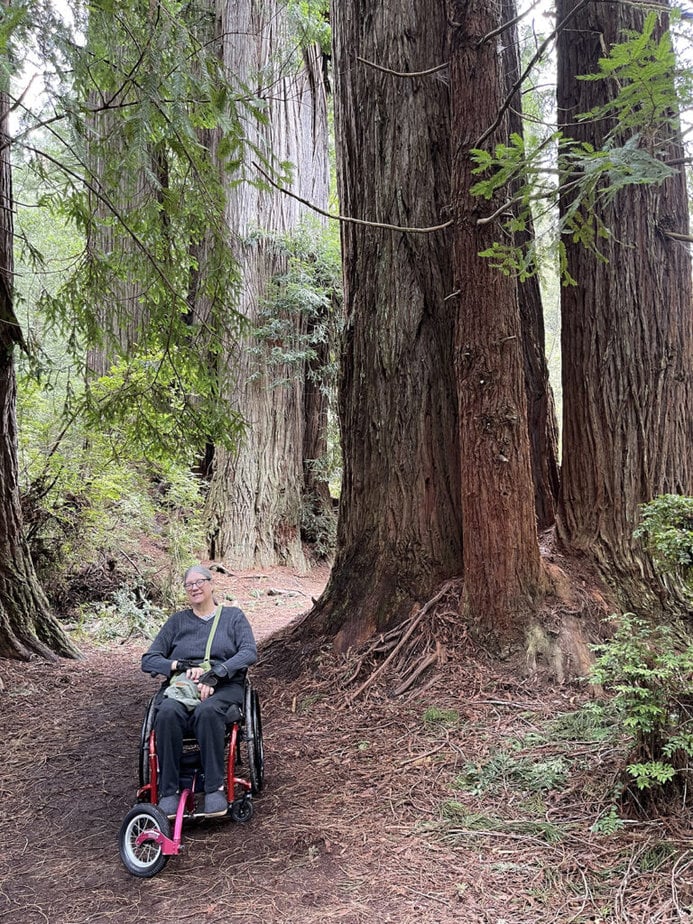
But 10 miles down the road, Prairie Creek Redwoods State Park had what I really wanted — miles of accessible trails through this wonderland. Of the trails I rolled, the Karl Knapp/Prairie Creek Foothills Trail is especially marvelous. This peaceful loop formed of packed dirt and fir needles meanders 2.5 miles along Prairie Creek, beneath some of the tallest, most majestic redwoods in the world. I used my manual chair with a freewheel, but the visitors center does offer an all-terrain track chair. Words cannot describe the beauty and magnificence along this path.
After rolling through the redwoods, I headed south on U.S. 101 for a scenic day of driving. At Scotia, I took the 31-mile Avenue of the Giants, which parallels U.S. 101 through more towering redwoods. I stopped at Grandfather Tree Gifts in Piercy to see an ancient 1,800-year-old redwood and peruse artistic redwood carvings, T-shirts and souvenirs. The shop and grounds are wheelchair-friendly. I passed through Garberville and other small towns until Myers Flat, where I rejoined U.S. 101.
Leggett to San Francisco
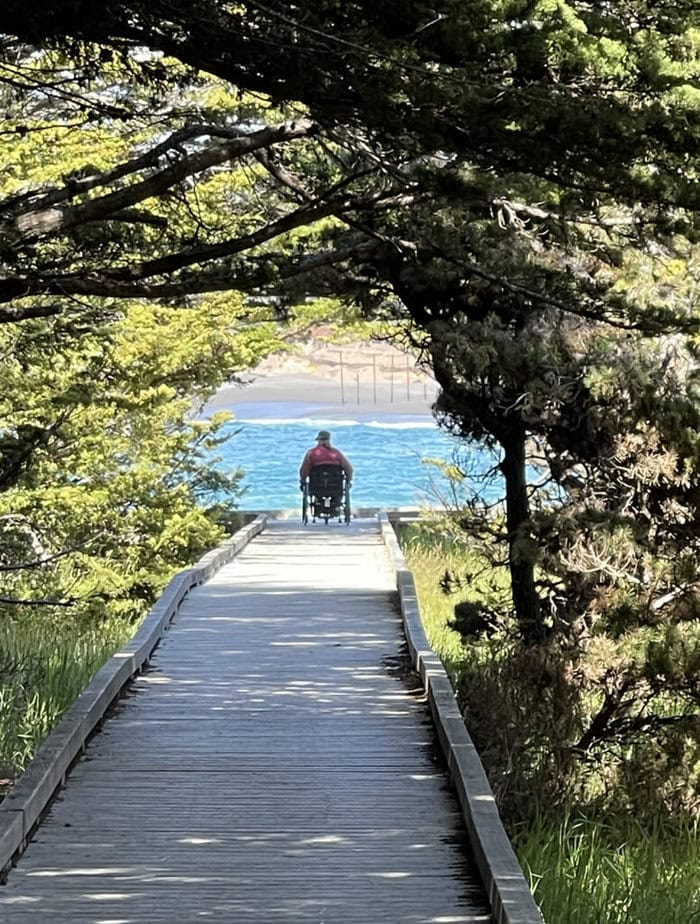
Now our journey down PCH would begin. Leaving Leggett, the road winds past rocky cliffs, tall forests and sunny meadows. After a few hours of leisurely travel and in need of food and a restroom, I lucked out to find Tony’s Seafood Restaurant in Marshall, planted on the edge of the continent. It combines great food, a great waterfront view and nice accessible facilities.
I chose Fort Bragg for my first stop, as it was an easy, unhurried distance from my last stop in Arcata, and was close to Mendocino, which I wanted to see. The quaint town of Fort Bragg grew up around a former military garrison established there in 1857. I was ready to settle in for a couple of nights at the Seabird Lodge and explore. I discovered the Noyo Headlands Trail, a 5-mile paved path edging the shoreline near downtown. It cut through rocky terrain with sandy stretches, and I watched seabirds catching air currents and crashing waves as I rolled, stopping occasionally to read the informative interpretive signs scattered along the trail.
North of Fort Bragg, MacKerricher State Park’s Laguna Point Interpretive Trail runs a short 0.6 miles but offers great sea views and plenty of scurrying ground squirrels. With a nearby trestle bridge and looping boardwalk, it’s an ideal place to hang out.
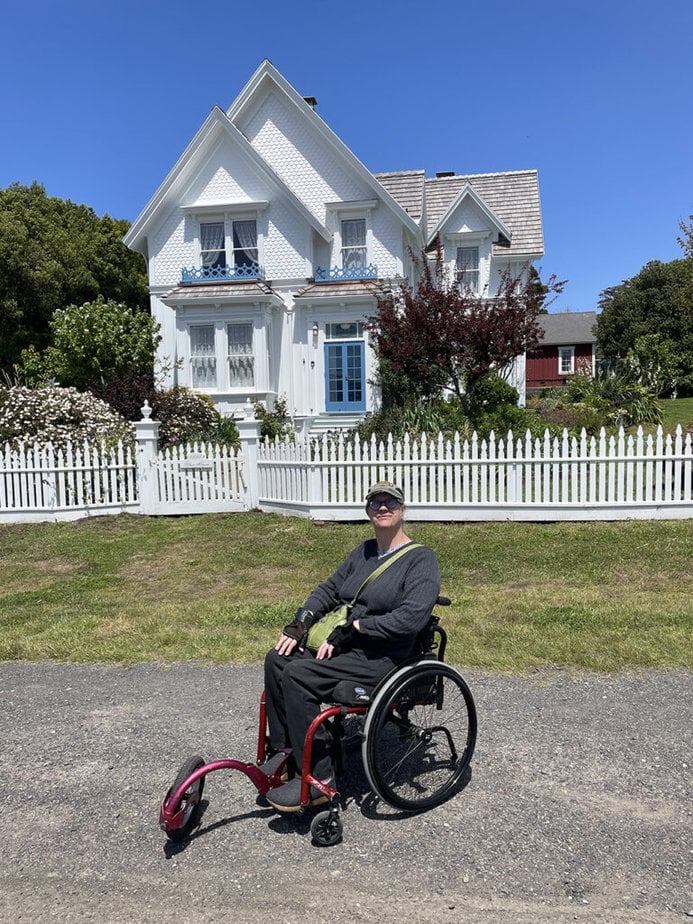
The charming town of Mendocino lies 10 miles south of Fort Bragg. Fans of ’80s TV-hit Murder She Wrote will be excited to find Jessica Fletcher’s stage house here. I had no idea. Briefly I wandered through the rustic town, where accessible shops were hit or miss. I grabbed a cup of coffee at wheelchair-friendly Goodlife Cafe & Bakery and got back on the road.
The next 100 miles covers rocky cliffs, oyster-filled bays, and beaches with varying degrees of access. The Russian River area is a great place to adventure from, and if you’re looking for a fancy overnight, you’d be hard-pressed finding better than AutoCamp Russian River in Guerneville. You can sleep under a grove of redwoods in a fully outfitted accessible cabin. For more redwoods, Muir Woods National Monument, just north of San Francisco, is a can’t-miss. The park’s 1.5-mile loop may not sound long, but it’s easy to fall under the spell of these awesome canopies.
The Bay and Beyond

San Francisco has enough accessible highlights to fill multiple guides, but if you’re looking to maximize your sightseeing time, you could do a lot worse than pulling off PCH and using the Golden Gate Bridge Plaza as a base to explore the surrounding area. The plaza offers amazing views in all directions — possibly better for wheelchair users than on the bridge itself because the bridge’s guardrails obstruct seated views — and you can find many stunning paved trails within easy rolling distance. We enjoyed two nights of family time with my niece in San Francisco, then drove 115 miles south to Monterey.
Monterey is home to the world-class Monterey Bay Aquarium and plenty of exciting shopping and dining. I loved the aquarium’s open-deck “Life on the Bay” exhibit, but my biggest delight was a baby sea otter who dove down inside the huge otter tank and hovered inches from my face. I think the little guy was attracted by my salmon-colored jacket. In town, Cannery Row vibrated with life and smells of seafood. If you need to work off a tasty meal or two, you can catch the 18-mile Monterey Bay Coastal Recreation Trail just a few blocks from Cannery Row. I wheeled past the palm-dotted seashore, rocky coastline and sailboat-filled marina to Old Fisherman’s Wharf, with its souvenir and snack shops clustered along a timeworn pier.
“Pismo Beach delighted me with miles of sandy beach and an accessible pier with a ramp leading to the sand.”
Heading south from Monterey, road signs warned of a closure ahead due to seasonal flood damage. Thanks to the proximity of the harsh ocean and often-extreme conditions on the road, this is a regular occurrence up and down PCH. I drove as far as I could anyway, to see what I knew to be picturesque coastline vistas. I passed spectacular views of the rocky Pacific coast, lengths of white sandy shores, and waters so blue it hurt my eyes. I made it south of the dazzling Big Sur region, near the tiny hamlet of Lucia, before having to double back toward Monterey and detour down U.S. 101, arriving in the small coastal city of Morro Bay.
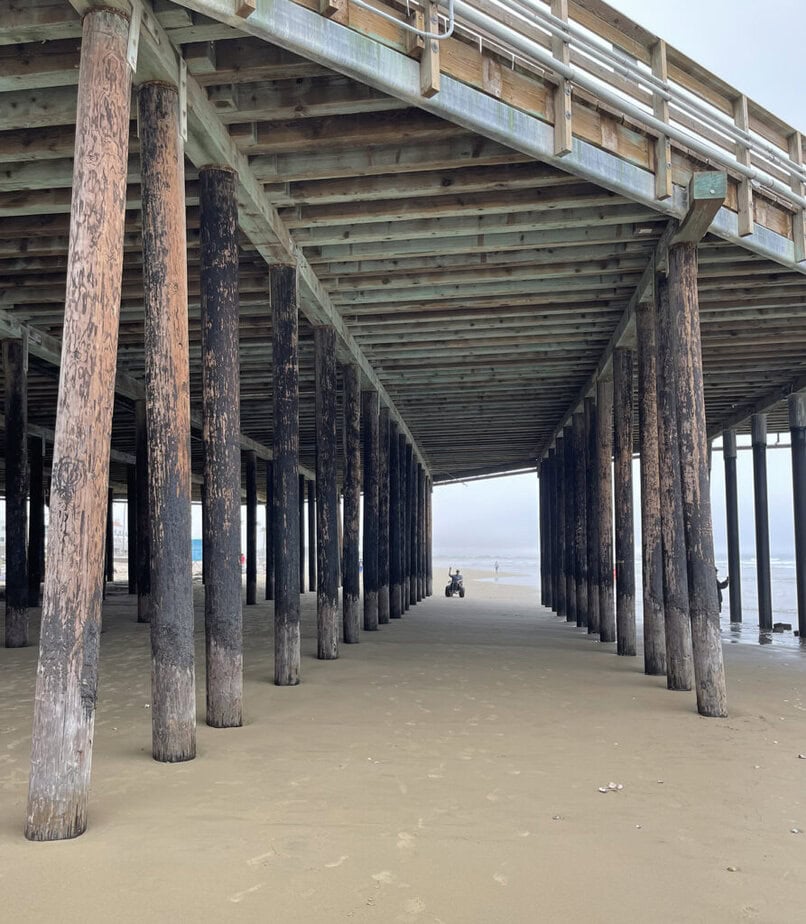
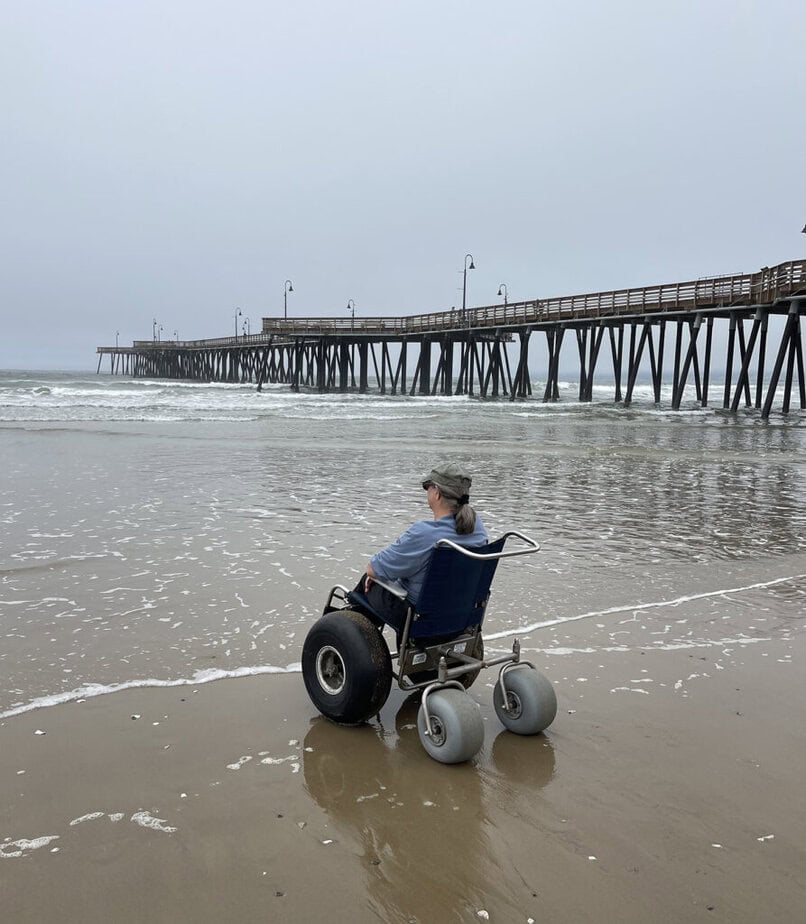
The author borrowed a free beach wheelchair at Sandcastle Inn and explored the expansive shoreline of Pismo Beach.
Morro Bay
A true gem, Morro Bay surprised me with a “raft” of sea otters, where great numbers of them float together in the water, claiming a portion of the bay as their home and nursery. At any time of day, I could roll to the waterfront and watch as they groomed and scratched, twirled and paddled around. One mama was still nursing her baby, who was nearly as big as she was. Adding to the magic was that Morro Bay’s sidewalks, boardwalks, parks, shops and restaurants are largely accessible, making it a treasure in my book.
Just past the otter nursery, Morro Rock rises an impressive 576 feet out of the coastline. Historically a sacred spot to the native Salinan people and a navigational aid for mariners, today it is a state historic landmark and nesting site for cormorants and peregrine falcons. If you want to hit the beach here, a city-owned beach wheelchair is available for free at the parking lot.
Originally, we planned to leave Morro Bay and head inland to check out Sequoia National Park. Flood-damaged roads forced us to change our plans, so we extended our stay in Morro Bay and kept exploring. I took a day trip north to the scenic headland of Ragged Point, past a beach brimming with elephant seals, as well as south to the cities of Pismo Beach and Santa Barbara. Pismo Beach delighted me with miles of sandy beach and an accessible pier with a ramp leading to the sand. I borrowed a free beach wheelchair at Sandcastle Inn and explored the expansive shoreline, including the area beneath the substantial pier.
My husband did not want to get into areas of heavy traffic closer to Los Angeles, so we made Santa Barbara our southernmost destination. Santa Barbara offers the iconic California scene of palm-lined sandy beaches against blue waters for as far as the eye can see. The wide, accessible Santa Barbara Coastal Trail goes for 2 miles along Cabrillo Boulevard and leads to the doable but very bumpy Stearns Wharf, giving access to a gorgeous waterfront. Shops and restaurants along this famous, old deep-sea wharf provide entertainment and reason to linger.
A few miles north of town, I toured the accessible areas of Old Mission Santa Barbara. Built in 1786 by the Spanish, the remarkable, archaic structures are still viable. The mission includes a multiroom museum with period artifacts; antique documents and pictures; a quaint gift shop and peaceful courtyard, all of which are accessible. The garden and cemetery are not wheelchair-friendly. The adjacent St. Barbara Parish with its cathedral ceiling and warm natural lighting is accessible and still offers weekly mass. Franciscan friars, following their values of caring for the poor and promoting social justice, still call this ancient mission home.
After days of travel, I had a solid idea of what California’s northern and central coasts had to offer. Throughout my trip, I was deeply moved by the effort and care consistently taken for inclusivity by the state parks, hotel and restaurant owners, and the people. This visit left a pleasing impression on me and a sincere desire to return for more.
Support New MobilityWait! Before you wander off to other parts of the internet, please consider supporting New Mobility. For more than three decades, New Mobility has published groundbreaking content for active wheelchair users. We share practical advice from wheelchair users across the country, review life-changing technology and demand equity in healthcare, travel and all facets of life. But none of this is cheap, easy or profitable. Your support helps us give wheelchair users the resources to build a fulfilling life. |


Recent Comments
Neil on A Safe, Effective Reusable Catheter System
Richard Crumb on A Safe, Effective Reusable Catheter System
Richard Crumb on A Safe, Effective Reusable Catheter System