


Oregon Is the First “Accessibility Verified” State Travel Destination
November 3, 2025
Ian Ruder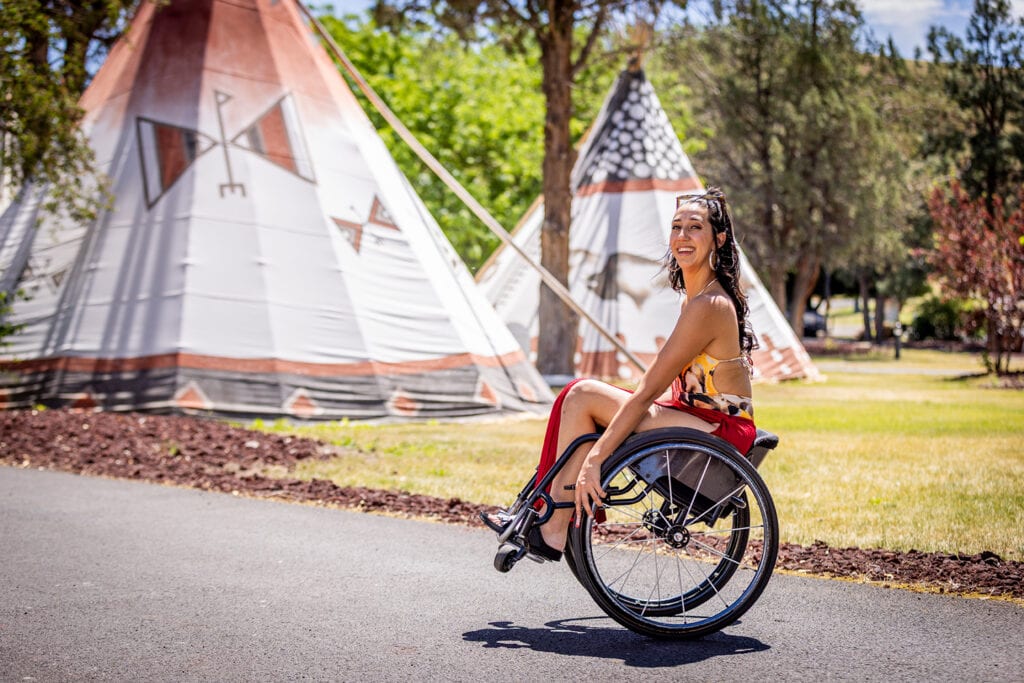
As a longtime disabled resident of Oregon, the press release announcing that my state was the first to be “Accessibility Verified” by the accessible travel company Wheel the World caught my eye. What does it mean to be “Accessibility Verified”? Does this have any impact on me and other disabled people who love to travel?
Like any disabled traveler, I know how much room for improvement there is in accessible travel and how maddening it can be to plan even the simplest trips. Still, I wondered how anyone — much less a small luxury travel business — could claim to “accessibility verify” any destination, much less an entire state.
Having traveled across Oregon, I deemed myself a worthy investigator and set out to learn whether this verification has real value or if it’s just another marketing scheme. After spending a few hours surfing the “Accessibility Verified” web pages for Oregon and talking with the team behind the verification, I landed somewhere in between. Here’s why that could be a good thing for disabled travelers and accessible tourism.
Verified? How?
First off, let’s be clear: “Accessibility Verified” is a term the marketers at Wheel the World created out of thin air. There’s no Bible of accessibility verification, and no government agency or official coming to enforce accessibility verification regulations.
On one level, being Accessibility Verified means that your destination has paid Wheel the World to assess, evaluate and share the accessibility features of a wide range of hotels, restaurants and destination activities. Anything from a city, to a county, to a region can theoretically be Accessibility Verified.
Travel Oregon, the business side of the Oregon Tourism Commission, hired Wheel the World to send evaluators (“mappers”) to over 750 destinations in Oregon to measure and document all the relevant accessibility features—not just mobility, but also visual, hearing and cognitive features.
All this data is presented on elegant landing pages hosted by Wheel the World and Travel Oregon. If you’re wondering whether all this data is already available online, and why anyone would spend hundreds of hours (and lots of money) documenting mundane accessibility features when the Americans with Disabilities Act mandates that businesses be accessible … well, you probably haven’t tried planning a trip with a complex disability.
Sure, lots of the accessibility data exists online, but it is rarely aggregated and presented in an easy-to-use, dare I say, accessible format. While there are no doubt some people who enjoy scouring site after site to find the best deal on the perfect accessible spot, many more don’t and give up or scale back their plans feeling frustrated and overwhelmed.
Economic impact
Which brings us to the next level of getting Accessibility Verified. As much as you are investing in the data, you are investing in accessible tourism and marketing your destination as a place that welcomes disabled travelers.
“At the end of the day, what we’re trying to do for destinations is to bring them visitors and eventually have an economic impact in the local community,” says Arturo Gaona, chief partnerships officer for Wheel the World.
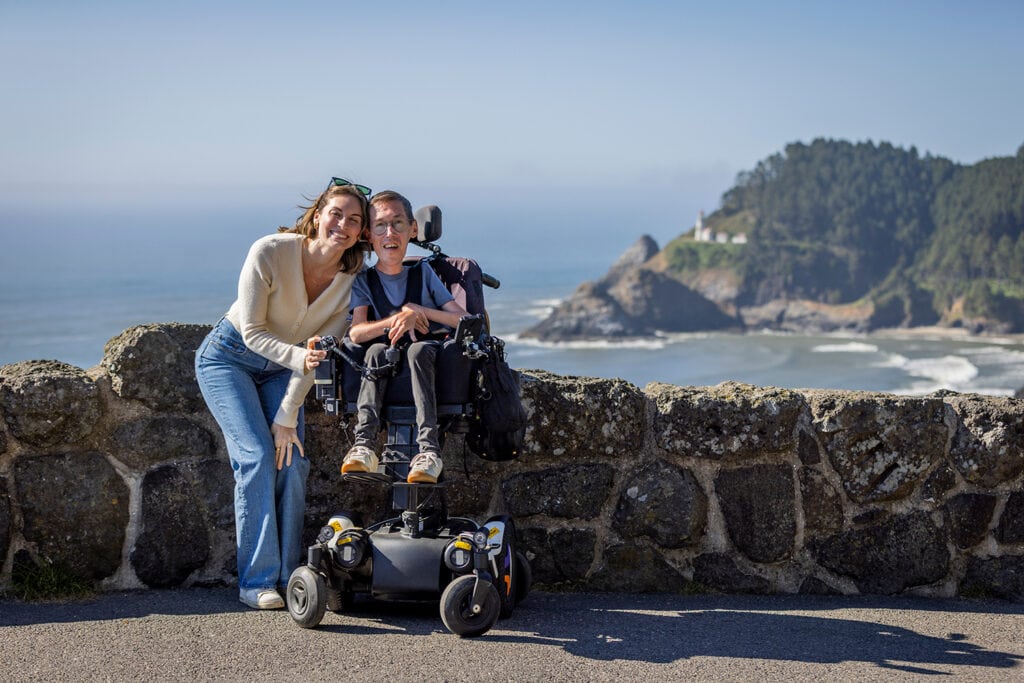
Knowing the spending power of the disability community and how much we desire to travel, this seems like a no-brainer to me. But according to most of the travel insiders I’ve spoken with, branding your destination for accessibility is relatively new to the industry.
“I think what everybody is beginning to understand is the economic opportunity around this,” says Gaona. He is constantly pitching the value of investing in access. He says the economic potential is huge. “When you can show the economics of this, it makes it easier to tap into budgets, to put hearing loops in welcome centers, or build new trails or do this partnership.”
Travel Oregon is in the vanguard of destination marketing organizations trying to tap into that economic potential. Kevin Wright, Travel Oregon’s VP of brand stewardship, says the state has invested $8 million in accessibility grants over the last two years, including spending for Wheel the World. Gaona believes it might be the largest investment in accessible travel in the U.S. Wright says Travel Oregon’s expectations for return on their investment are “extremely high.”
“It might be Mobi-mats here, it might be an enhanced trail here, but there has been a lot of [accessible] infrastructure invested in Oregon in the last two years,” he says. “I don’t know of any other state that’s invested that much money … There’s so much happening that there’s a lot more for people to explore that maybe they couldn’t in the past.”
The investment in accessible tourism isn’t limited to physical improvements. Wheel the World produced a series of eight short videos highlighting disabled influencers’ visits to Oregon. The influencers have all types of disabilities and share insights into the disabled travel experience that will resonate both within and beyond the disability community.
As one of the beneficiaries of all these new offerings, I’m grateful. Oregon is opening its pocketbook for accessibility instead of just giving it lip service. If it takes a savvy marketing program like “Accessibility Verified” to get other states, cities and regions to follow, kudos to Wheel the World for figuring it out.
Support New MobilityWait! Before you wander off to other parts of the internet, please consider supporting New Mobility. For more than three decades, New Mobility has published groundbreaking content for active wheelchair users. We share practical advice from wheelchair users across the country, review life-changing technology and demand equity in healthcare, travel and all facets of life. But none of this is cheap, easy or profitable. Your support helps us give wheelchair users the resources to build a fulfilling life. |