


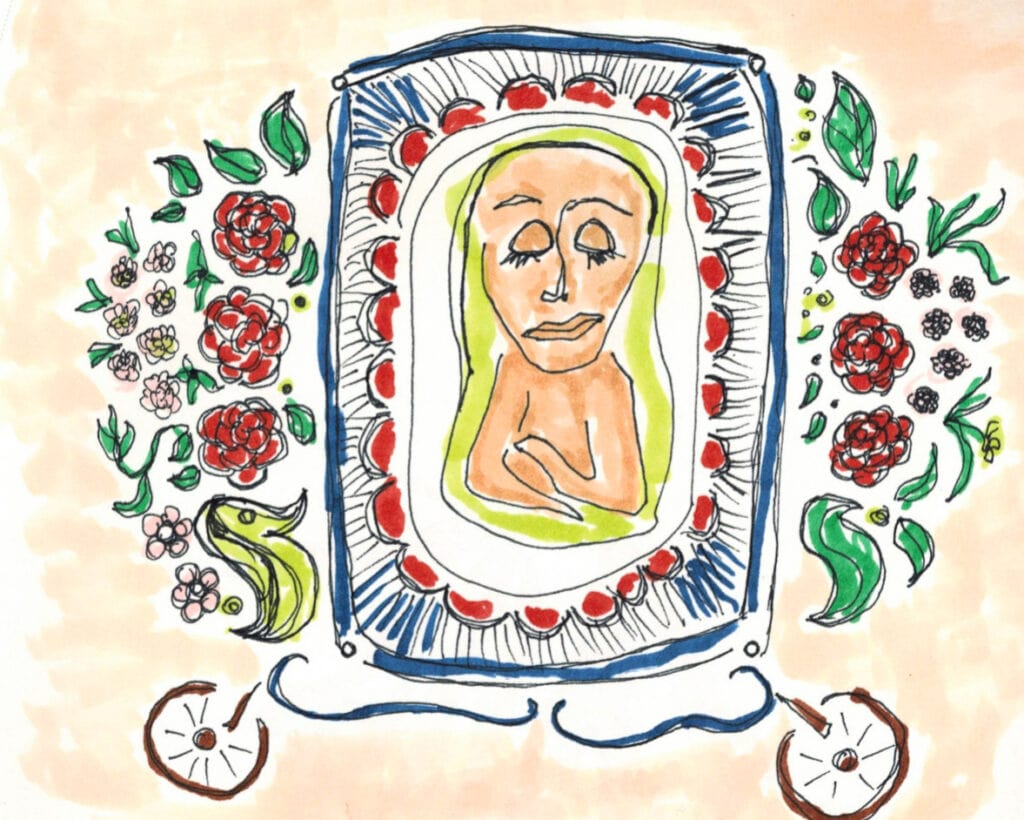
I enter the room in my squeaky chair, and people with hunched shoulders look up at me, teary-eyed. Slowly I move toward photo displays showing a whole life. I gaze between mourners outfitted in shades of black and catch a glimpse of the casket. Lying there surrounded by flowers, a stuffed animal and an Aaron “Wheelz” Fotheringham action figure, my friend seems like he might just smile and laugh his typical, full-bodied “Kee, kee, kee.”
Having been injured at a young age, I’ve grown up assuming I’d fulfill future goals and live a long life, but I’ve experienced the deaths of my disabled peers as a teen, in my 20s, 30s and now 40s. Although modern medicine and technology have made it possible for people with disabilities to live longer, in truth, we SCI folks know life can change in an instant, and just one small health complication can domino into disaster and even death.
It scares me that death could cut my time short, and that I might not get to do everything I dream of. But at the same time, I’m cool with whatever comes. Life will continue without me. I think about what kind of tree will be planted where my remains lie and if my wheelchair will end up existing eternally in a landfill. Who will look through my stuff and put together the pieces of who I was?
I am saddened when I lose friends who were advocates helping individuals with disabilities or the disability community at large. Yet I am happy and proud to have known them, learned from them and worked alongside them. My hope is that when I am no longer living, I too will have left sprinkles of goodness in this world, and my loved ones will imagine me smiling or laughing.
Support New MobilityWait! Before you wander off to other parts of the internet, please consider supporting New Mobility. For more than three decades, New Mobility has published groundbreaking content for active wheelchair users. We share practical advice from wheelchair users across the country, review life-changing technology and demand equity in healthcare, travel and all facets of life. But none of this is cheap, easy or profitable. Your support helps us give wheelchair users the resources to build a fulfilling life. |


Recent Comments
Neil on A Safe, Effective Reusable Catheter System
Richard Crumb on A Safe, Effective Reusable Catheter System
Richard Crumb on A Safe, Effective Reusable Catheter System